

Wireless Charging vs USB-C for Rechargeable Disposable Vapes
Sep. 03, 2026
00:00:04
“Rechargeable” does not mean “wireless charging.” A rechargeable disposable vape needs the right receiving parts before a charging pad can work. For a broad retail line, USB-C is usually easier to explain and support. Wireless charging belongs in the specification only when the model has been built and tested for it.
For wholesale device options, buyers can start with Buddacana. For wholesale B2B projects, the Cookies Disposable Pens 1.0ml Rechargeable E-cigarettes 280mAh Battery provides a 280mAh cell and a 1.0ml empty reservoir. Wireless charging is not confirmed for this model, so the charging method must be settled before product copy, box artwork, or a purchase order is approved.
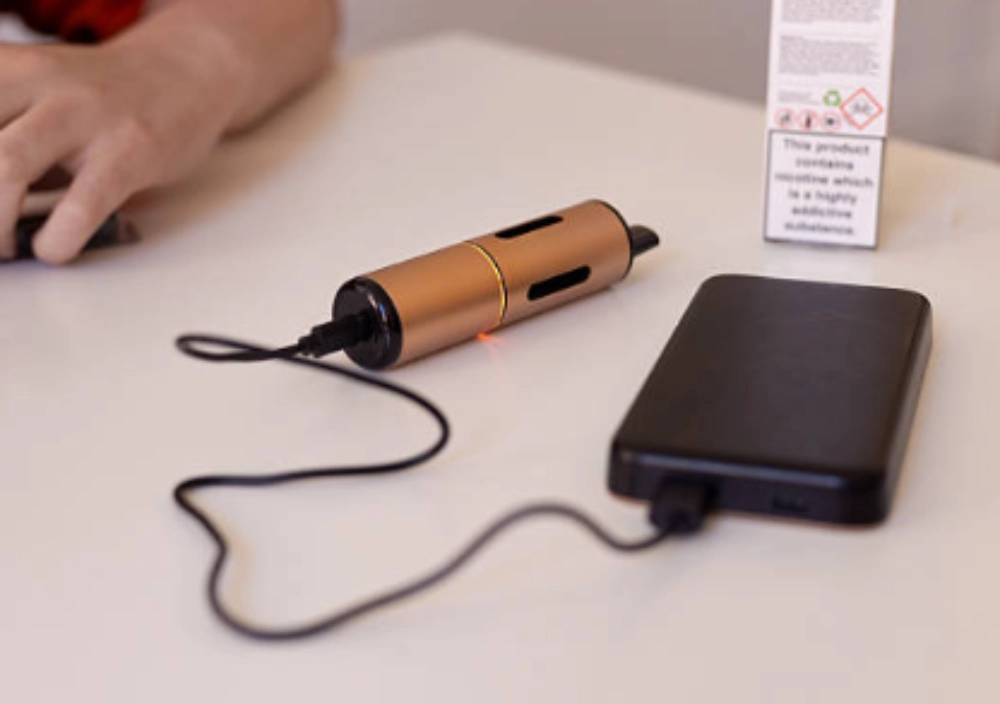
Is Wireless Charging Built Into Rechargeable Disposable Vapes?
Wireless charging needs its own hardware. The device must receive power through an inductive charging coil and related parts. The housing and charging arrangement also have to work with a compatible pad.
The Hardware a Device Needs for Wireless Charging
A USB-C device is not automatically ready for wireless charging. USB-C uses a physical port, cable, and charging circuit. Wireless charging needs a separate receiving component, plus a housing that allows proper alignment with the pad.
Wireless charging is not only a convenience feature. It also brings a heat question. A small receiving coil can warm the area around the oil chamber if the layout is too tight. That may change oil flow for a short time or affect flavor compounds in sensitive oil. For this reason, a wireless version should keep the coil assembly away from the reservoir as much as the design allows. Test it with the actual oil before using the feature in sales copy.
Treat the charging method as a model-level specification. Ask for the specification sheet, the supported method, and the included or required accessories. If wireless charging is not confirmed, do not assume a standard phone pad will work.
Why Wireless Charging Must Be Confirmed Model by Model
Wireless charging may suit a cable-free product concept. It also creates questions about pad compatibility, packaging space, cost, and customer support. A device can recharge by cable and still have no wireless function.
For a private-label project, adding the feature late can affect the internal layout, exterior, packaging, and test plan. Decide whether it is required before confirming the device version.
Where Does USB-C Have a Practical Advantage?
USB-C is familiar and easy to explain. For broad retail distribution, that matters. A visible port gives users and shop staff a simple way to understand how the device charges.
Cable Availability for Retail Users
USB-C appears on many portable devices. A buyer may still need a cable, so the wholesale plan should state whether one is bundled, sold separately, or excluded.
The aim is simple: show the user how to recharge the device without extra explanation. A visible port also gives distributors something easy to check on a sample.
Charging Port Design and Product Packaging
The port also affects packaging and instructions. Confirm whether it is protected during shipping, whether the cable is included, and how charging status is shown.
Battery life and charging convenience are often considered together. The 10 Best Pod Vapes of 2026: Reviewed and Ranked for Flavor & Battery Life gives a related comparison of battery-life considerations. Charging access and battery capacity are separate features.
Which Charging Method Fits Different Product Plans?
The right method depends on the product plan. USB-C suits a familiar charging route and simple cable planning. Wireless charging can fit a device-and-accessory concept, but it adds compatibility and support work.
USB-C for Broad Retail Distribution
USB-C can suit a broad audience. Compare battery capacity, charging interface, device size, oil capacity, and whether the product is empty or pre-filled. Those details are more useful than a general convenience claim.
The Cookies Disposable Pens 1.0ml Rechargeable E-cigarettes 280mAh Battery is an empty wholesale platform with a 280mAh battery and 1.0ml capacity. It suits projects handling filling, flavor selection, branding, and packaging separately from the hardware.
Wireless Charging as a Feature Request for Differentiated Projects
Treat wireless charging as a custom development question, not a default expectation. Confirm the target market, retail position, expected charging behavior, and whether a compatible pad will be included. Ask how the feature will be tested and how support staff should handle alignment or pad-compatibility questions.
If a cable setup already meets the target user’s needs, wireless charging may add cost and support work without improving the purchase decision.
A desk user may value a charging pad. A traveler may prefer a common cable and visible port. State the use situation before choosing the accessory policy. If a range uses both methods, product sheets and box artwork must show the difference clearly.
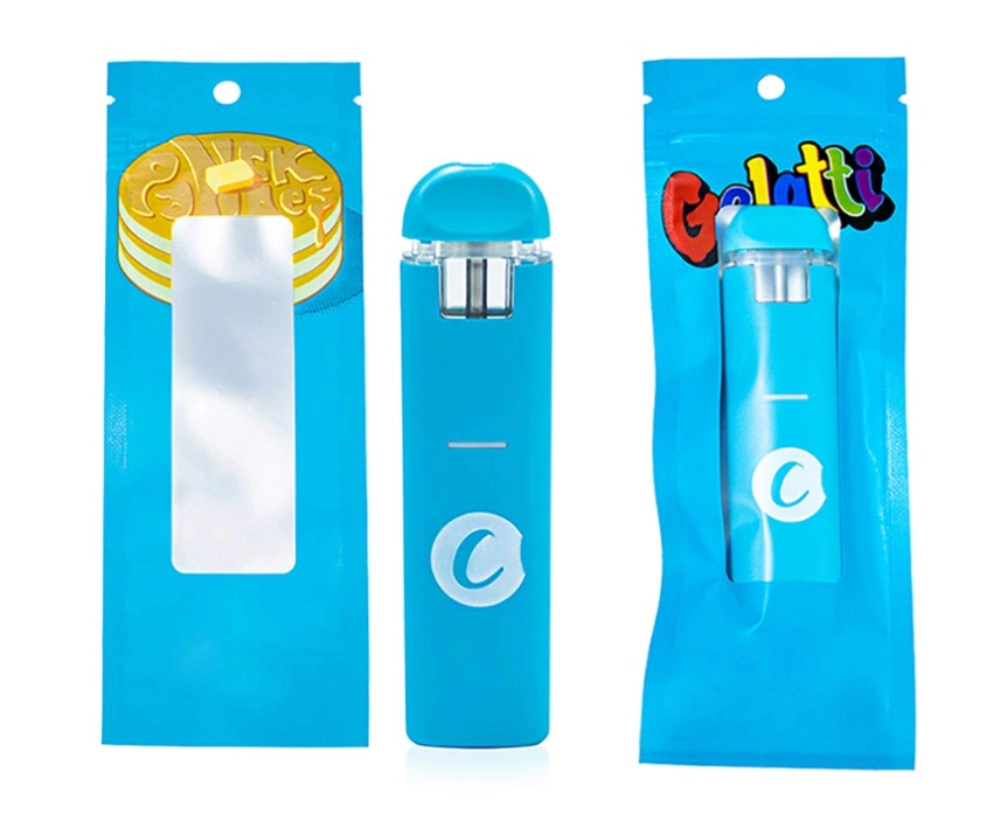
What Should Buyers Confirm Before Selecting a Rechargeable Disposable?
Charging is only one part of the product configuration. The purchase discussion should also cover the device, consumable format, packaging, and sales channel.
Battery Capacity, Charging Method, and Included Accessories
Confirm the battery capacity and charging method for the exact model. Ask whether the cable is included, which connector it uses, and what charging instructions belong on the package. If wireless charging is requested, ask for written confirmation and sample testing.
Empty Device, Oil Capacity, and Customization Requirements
For empty devices, confirm oil capacity and intended oil type. Also confirm artwork, color, flavor or product naming, packaging format, and destination-market wording. Local rules and age restrictions still apply.
After delivery, describe the device according to the approved charging arrangement. Use “wireless charging” only for a confirmed model. This gives customer-service teams and retail partners a clear reference.
Before approving an order, buyers can use Buddacana’s support resources for model-specific operating questions.
Conclusion
Wireless charging and USB-C serve different product plans. USB-C is easier to explain and support across a broad range. Wireless charging can work as a custom feature only when the exact device has been designed and confirmed for it.
Verify the charging method for each model, review a sample, and align the device configuration with the product range before production.
FAQ
Can every rechargeable disposable vape charge wirelessly?
No. Rechargeable only means the battery can be recharged. Wireless charging requires dedicated hardware and must be confirmed for the exact model.
Is USB-C always better than wireless charging?
Not always. USB-C is often easier to support for broad distribution, while wireless charging may fit a more specialized device-and-accessory concept.
What should be checked before ordering a rechargeable disposable vape?
Confirm the battery capacity, charging method, oil capacity, empty or pre-filled status, included accessories, sample performance, packaging, and market-specific requirements.
HOT INVESTMENT IN ALL
REGIONS OF THE WORLD
REGIONS OF THE WORLD


