

Choosing a 510 Vape Cartridge by Oil Viscosity: CUREpen, Big Chief and Key Hardware Specs
Aug. 28, 2026
00:00:24
Choosing a 510 vape cartridge is not simply a matter of checking whether the thread fits your battery. The oil inside the cartridge also matters. Thick oils move slowly through the inlet, while different extracts respond differently to heat. A cartridge that works well with one formulation may clog, leak, or produce inconsistent vapor with another.
For oil brands and hardware buyers, it makes more sense to start with viscosity, then check oil inlet size, ceramic structure, resistance, and battery output.
Buddacana supplies 510 cartridges and related vapor hardware for different filling and OEM requirements. Its product range includes large-inlet cartridges, full-ceramic designs, and cartridges with several oil-hole options. That makes it possible to compare hardware around the actual oil project rather than choosing by appearance alone.
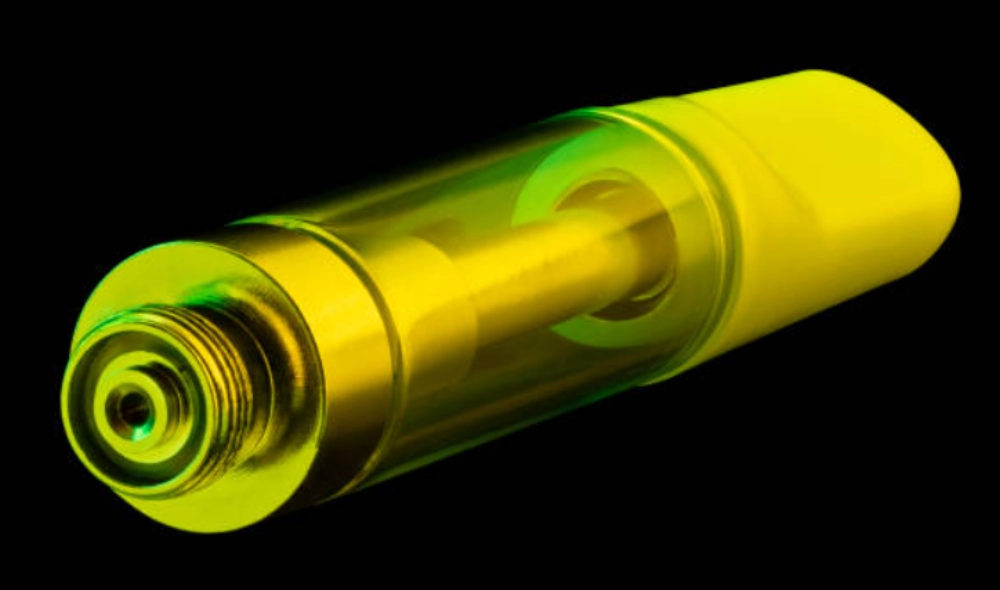
Why Does Oil Viscosity Change the 510 Cartridge You Need?
A 510 connection tells you how the cartridge connects to the battery. It does not tell you how well oil will move through the cartridge. For procurement, the more useful question is whether the oil can reach the heating area at the right rate without flooding or starving it.
Different Oils Create Different Flow and Heating Demands
Distillate, Live Resin, Rosin, and other extracts do not behave the same way inside hardware.
Distillate behaves as a dense, high-viscosity extract that demands larger inlet geometry for steady wicking. Rosin and Live Rosin can contain more impurities because they are not processed in the same way as fully refined oils. Live Resin also has different moisture and terpene characteristics.
These differences affect how quickly oil moves toward the ceramic heating area and how much heat is needed to vaporize it.
A buyer selecting a 510 cartridge for thick oil should therefore look beyond tank capacity. Oil movement, heating speed, and repeated-draw behavior matter just as much.
High-Viscosity Oils Need More Reliable Oil Feeding
Thicker oil travels through a cartridge more slowly. If the inlet or wicking structure cannot replace vaporized oil quickly enough, the heating area can become temporarily dry. That may lead to unstable vapor or a burnt taste.
Larger inlets can improve the conditions for oil feeding, but there is no useful rule saying that the biggest hole is always better. An inlet that feeds too aggressively may create a different problem, especially when the formulation becomes thinner at higher temperatures.
This is why 510 cartridge oil hole size should be evaluated together with oil viscosity, ceramic structure, storage temperature, and actual filled samples.
Rosin and Live Rosin Require More Careful Heat Control
Rosin and Live Rosin deserve extra attention because their material composition can make some heating structures more prone to fouling. Operating at lower voltages (2.0–2.8 V) protects delicate terpene profiles and prevents thermal degradation in rosin formulations.
This means a 510 cartridge for live resin or Rosin project should not be approved from a specification sheet alone.
For these formulas, buyers should check oil flow after resting, repeated heating performance, flavor change, and residue around the heating area before moving to bulk production.
Which Hardware Specs Matter Most When Matching Oil to a 510 Cartridge?
Once the oil behavior is clear, hardware selection becomes much more practical. Three specifications deserve close attention: the inlet geometry, the material and ceramic structure, and the electrical relationship between resistance and battery output.
Oil Inlet Size Controls the Conditions for Oil Feeding
The number and diameter of oil holes affect how easily oil reaches the heating area.
Buddacana’s cartridge range shows how different these configurations can be. Some models use four 2.0 mm oil holes, while others use 1.8 mm holes or offer several inlet sizes within the same cartridge platform.
That difference matters when testing a 510 vape cartridge with formulations of different viscosity.
A larger inlet can be useful when slow oil feeding is the main concern. A smaller inlet may offer more controlled feeding with a more fluid formulation. The correct selection still needs a filled-oil test because viscosity changes with formulation and temperature.
Ceramic Structure and Material Path Affect Flavor and Heating
Ceramic is widely used because its porous structure can move viscous oil toward the heating area while distributing heat across the oil-contact surface.
Material contact also matters for brands that place more emphasis on flavor. A ceramic 510 cartridge may reduce the number of different materials that come into contact with the oil, depending on the complete internal structure.
Hardware designs like CUREpen highlight how ceramic coil formulation and an isolated oil-contact path preserve volatile terpene profiles.
For buyers working with terpene-sensitive formulations, this is a better way to compare hardware: trace what the oil touches from the tank to the heating zone.
Resistance and Battery Voltage Must Work as a System
Cartridge resistance cannot be judged separately from the battery.
Lower operating voltages, roughly 2.0–3.0 V, produce slower and gentler heating. At 4.0 V and above, heating becomes faster, but excessive output can overheat oil and create an unpleasant burnt taste.
This makes 510 cartridge resistance part of a system rather than an isolated specification.
If you change the battery while keeping the same cartridge and oil, the vapor behavior can still change. During procurement testing, use the battery configuration that is closest to the final retail setup.
What Can CUREpen and Big Chief Teach Buyers About Cartridge Selection?
CUREpen and Big Chief are useful comparison references, but the useful lesson is not simply which one is “better.” The more useful question is which hardware characteristics deserve attention when the oil formulation changes.
CUREpen Shows Why Coil Material Deserves Attention
CUREpen brings the material question into the purchasing process.
Instead of checking only capacity and thread type, buyers can look at ceramic construction, the oil-contact path, heating behavior, and how those elements affect flavor over repeated draws.
This approach is especially useful for oils where aroma and flavor retention are part of the product positioning.
Big Chief Shows Why Oil Flow Cannot Be Ignored
Big Chief-style designs prioritize intake flow dynamics, ensuring high-viscosity oil saturates the heating core while allowing trapped air bubbles to escape.
For thicker formulations, buyers should pay attention to inlet design, the way oil moves after filling, and whether bubbles can leave the heating area as oil is consumed.
A design that looks suitable on paper still needs filled-oil testing. For a more direct comparison of the two hardware approaches, Buddacana has an earlier 510 cartridge comparison that focuses on their individual structures.
Hardware Specs Matter More Than the Brand Name
The practical selection sequence is straightforward:
Oil behavior → inlet geometry → heating material → resistance → battery pairing → filled-oil testing.
This makes it easier to compare any 510 vape cartridge on the same basis instead of relying on a familiar product name.
Which Buddacana 510 Cartridge Fits Different Oil and Product Projects?
Buddacana’s three cartridge options provide distinct engineering configurations rather than just varied capacities, offering precise starting points for sample testing:
| Project Requirement | Suggested Starting Point | Relevant Specification |
|---|---|---|
| Larger capacity and large oil inlets | HOT ZING (053) | 2 ml, 1.4Ω, 4 × 2.0 mm oil holes |
| Material-focused formulation | BULLET Cartridge | Full ceramic, 1 ml, 1.4Ω, 4 × 1.8 mm oil holes |
| Comparing different inlet sizes | BG C11 Cartridge | 0.5/1 ml, 1.4Ω, 1.2/1.5/2.0 mm oil-hole options |
HOT ZING (053) Supports Larger-Capacity, Large-Inlet Projects
The HOT ZING (053) 510 Threaded Cartridge uses a 2 ml tank, 1.4Ω resistance, and four 2.0 mm oil holes.
That specification makes it a sensible starting point for a project that needs more capacity and wants to evaluate larger inlet geometry.
It should not automatically be labelled as suitable for every high-viscosity formula. A buyer should fill the actual oil, allow it to settle, and check feeding, leakage, and repeated-draw behavior before confirming the hardware.
BULLET Cartridge Fits Full-Ceramic, Flavor-Focused Projects
The BULLET Cartridge (CCC24-052) takes a different approach.
Its listed structure includes a ceramic tip, ceramic coil, glass tube, and ceramic center. The 1 ml cartridge uses 1.4Ω resistance and four 1.8 mm oil holes.
For projects where the material path is part of the product-development discussion, this full ceramic 510 cartridge gives buyers a clear platform to test flavor stability and oil contact with fewer material changes through the internal path.
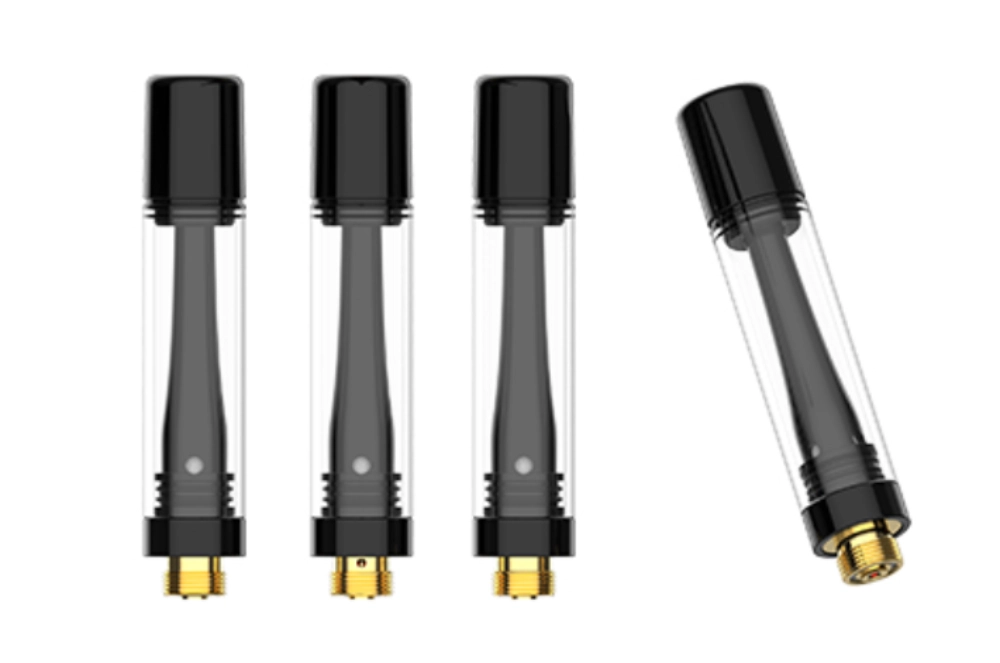
BG C11 Gives Buyers More Flexibility for Oil-Hole Testing
The BG C11 Cartridge (022) is especially useful during formulation development because the platform supports 4 × 1.2 mm, 4 × 1.5 mm, and 4 × 2.0 mm oil-hole configurations.
It is available in 0.5 ml and 1 ml capacities with 1.4Ω resistance.
For buyers working with several oil viscosities, this creates a practical comparison method. Instead of changing several hardware variables at once, teams can test different inlet sizes and observe how the same oil behaves.
How Should B2B Buyers Validate a 510 Cartridge Before Bulk Ordering?
A specification sheet should narrow the options. It should not replace testing. Before approving a bulk order, the final cartridge, oil, battery, and filling process should be checked together.
Filled-Oil Samples Should Be Tested Before Final Hardware Selection
A practical sequence is:
Fill → Rest → First Draw → Repeated Draw → Leakage Check → Clogging Check → Flavor Check
During testing, watch how quickly bubbles move, whether oil reaches the heating area after repeated draws, and whether the flavor changes as the tank level falls.
Key warning signs during procurement testing include: oil that barely moves, abnormal darkening, burnt odor, or a formulation that appears unusually thick or thin for the selected hardware.
A 510 vape cartridge that passes a few first draws but clogs later still needs adjustment before production.
Battery Output Must Be Tested With the Final Cartridge and Oil
Thread compatibility alone is not enough.
The final battery can change heating speed, vapor volume, and flavor. Run cold-start tests and repeated draws with the battery voltage intended for the finished product. Check that the center contact, airflow, resistance, and heating output remain stable together.
This step is particularly important when comparing cartridges with similar physical dimensions but different internal structures.
Buddacana Service and Contact Support Project-Specific Selection
For a new 510 vape cartridge project, useful purchasing information includes the oil type, expected viscosity, target capacity, preferred inlet structure, battery setting, and estimated order requirement. Buddacana’s service team can use those details to narrow the sample options before production. If your formulation is still causing clogging, leakage, or inconsistent heating during tests, you can send the current hardware and oil requirements through the contact page for further matching.
FAQ
How do I choose a 510 vape cartridge for thick oil?
Start with oil-feeding capability rather than thread type alone. Compare inlet size, ceramic structure, resistance, and the battery output you will use. Larger inlet holes may help slow-moving oils, but the filled cartridge should still be tested for leakage, clogging, and repeated-draw performance.
Is a full ceramic cartridge always better for oil flavor?
Not automatically. Full ceramic construction can reduce changes in the material-contact path, which is useful for flavor-focused projects. Oil viscosity, ceramic heating behavior, voltage, and airflow still affect the final result.
What should I test before placing a bulk 510 cartridge order?
Test the actual oil in the final hardware. Check filling behavior, resting and saturation, first draw, repeated draws, leakage, clogging, flavor change, and battery compatibility. A stable sample gives far more useful purchasing information than cartridge dimensions alone.
HOT INVESTMENT IN ALL
REGIONS OF THE WORLD
REGIONS OF THE WORLD


