

Cart Battery Cleaning Guide for Wax Residue and Poor Connection
Sep. 10, 2026
00:00:13
Cart battery cleaning protects the contact path between a 510 battery and the cartridge base. Wax residue, oil film, pocket lint, and overtightening can all make a device look defective even when the battery cell still has charge. For brands selling wax-compatible hardware, the practical goal is not a long cleaning lecture. The goal is a cartridge and battery system that stays readable to the device, dries quickly after light maintenance, and gives retail staff a clean way to separate residue issues from true hardware failure.
Buddacana supplies vape cartridges and 510-thread battery hardware for brands that need repeatable fit, preheat behavior, and support language that ordinary users can follow. In concentrate programs, residue is not a rare exception. Heat, storage angle, viscosity, and user handling can all push sticky material toward the contact area. Buyers should plan for that reality before the product reaches the counter.
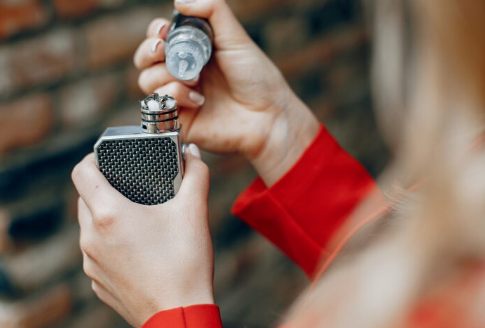
Hardware Connection Failure Mechanisms
Connection failure usually starts with a small mechanical or surface problem, then becomes a return complaint after the user keeps tightening or cleaning the wrong way.
Contamination Film Accumulation
In procurement reviews, this failure should be treated as a contact-resistance risk rather than a cosmetic stain. A small amount of residue can change the way the battery reads the cartridge during activation, especially after repeated preheat cycles. The most useful sample test is simple: compare a clean control unit, a warm-stored filled unit, and a returned unit under the same battery and cartridge pairing.
A thin wax film can sit between the battery plate and cartridge base. The device may blink, heat weakly, or fail to fire because the electrical path is no longer clean. High-viscosity concentrates are more likely to leave sticky material after warm storage and cooling. Buyers should test filled samples after pocket-like handling, not only on a fresh desk sample.
Thread Alignment Deviations
Residue inside the thread can make the cartridge seat at a slight angle. Users often respond by twisting harder, which may depress the center contact and create a second failure. The 510 Thread Full Ceramic Cartridge supports clean seating decisions through a cartridge structure where the base, thread, and contact area must be judged together.
Temperature Variation Impacts
Warm storage softens residue; cooling hardens it. That shift can move concentrate from a harmless edge area into the contact zone. Wax-compatible programs should include warm-storage observation, room-temperature retesting, and cartridge-battery pairing checks before bulk packaging is approved.
Battery Cleaning Protocol Specifications
A cleaning protocol should be short enough for users and precise enough for support teams.
Light Swab Application
The battery should be turned off when possible, the cartridge removed, and the contact area cleaned with a lightly damp swab. The swab should not drip into the device. Hard scraping is worse than slow cleaning because it can damage the contact surface or push residue deeper into the thread.
Contact Plate Isolation
The battery side and cartridge side must be checked separately. If the battery plate is clean but the cartridge base remains sticky, the same complaint returns. Support staff should clean or inspect both contact surfaces, then retest with a known-good cartridge before replacing the battery.
Post-Cleaning Drying Cycles
Drying time also protects the support team from a false diagnosis. If a wet contact is tested too early, the battery may blink again and the user may assume the cleaning failed. A short waiting period, followed by a known-good cartridge test, gives the team a more reliable result before any replacement decision.
Testing while the contact is still damp can create a false failure. Let the parts dry, attach the cartridge gently, and activate briefly. If the device works with one cartridge but fails with another, the return note should identify cartridge fit or residue instead of blaming the battery.
Hardware Replacement Decision Rules
Cleaning should not hide a damaged part or a poor hardware match.
Center Pin Recovery
If the center pin is stuck low, loose, or uneven, cleaning will not restore stable contact. Users may get one successful draw and then another failure. This should be treated as a replacement condition, especially when the same symptom repeats across clean cartridges.
Leakage Pattern Review
Repeated leakage points toward filling behavior, viscosity, storage, or cartridge structure. The Custom Heavy Metal Free 316 Stainless Steel Ccell Cartridge keeps oil-contact material, capacity selection, and leakage control in the same cartridge review.
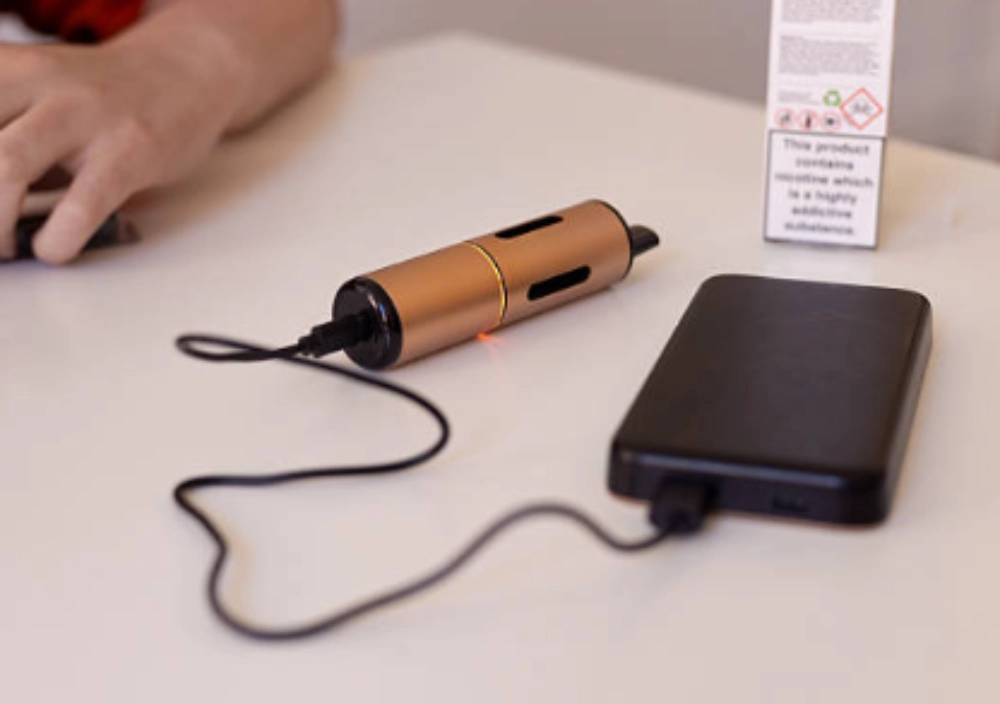
Heat And Charging Warnings
Heat during charging, burnt smell, unstable charging, or visible deformation should stop use. A user should not be told to keep cleaning a device that shows warning signs. Support rules need a clear line between normal residue maintenance and hardware replacement.
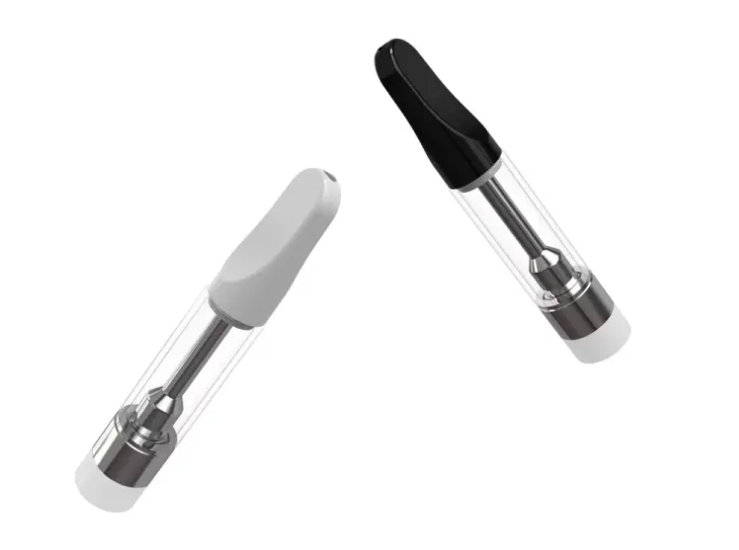
Procurement And Support Control Points
The strongest cleaning program is built before launch, not after complaints arrive.
Cartridge Battery Pairing
The filled cartridge should be tested with the exact battery planned for retail. The Cookies 350mAh Vape Preheating Battery fits concentrate programs where preheat behavior, thicker oil, and residue risk need to be considered together. A battery that works with thin oil may not behave the same with thicker wax formulations.
Return Sample Classification
Returned units should be checked in the same order: battery contact, cartridge base, thread fit, known-good cartridge test, then charging check. For material-related context, see different types of weed wax and what their colors tell you to compare how concentrate behavior affects residue, customer expectations, and support wording.
Purchasing Specification Closure
The purchasing document should separate three risks: residue that can be cleaned, leakage that requires cartridge review, and electrical warning signs that require replacement. This makes the return process easier for retailers and keeps a wax hardware program from being judged by random support decisions.
Procurement specifications should prioritize accessible contact plates, stable cartridge seating, and preheat behavior that matches oil viscosity. Buyers should also require simple insert-card instructions: keep the connection clean and dry, do not overtighten, and stop use if heat or charging behavior looks abnormal.
Retail teams also need one shared return code for each condition. “Residue cleaned and passed,” “cartridge leak suspected,” and “battery warning sign” are more useful than a general “defective” label. That small discipline helps the next hardware order improve because purchasing can see whether the weak point is user handling, cartridge sealing, battery contact, or instruction clarity.
For purchasing approval, record the exact cartridge capacity, heating material, resistance, oil-hole size, battery capacity, output or preheat behavior, and storage condition for the tested SKU. Current product records include examples such as 350mAh battery variants and 1.4ohm ceramic cartridges with four 2.0mm oil holes; use those figures only when they match the production revision being ordered. Approve the pairing only after a clean control, a warm-stored filled unit, and a known-good cross-test produce the expected result.
Conclusion
Cart battery cleaning works when the problem is residue, lint, or light contact film. It does not fix broken pins, repeated leakage, or unsafe charging behavior. Buyers building wax-compatible programs should pair cartridge and battery before launch, test after warm storage, classify return samples consistently, and write replacement rules that retail staff can apply without argument.
Contact
If your team is reviewing cartridge samples, battery fit, or concentrate hardware instructions, use Buddacana’s official contact page to send application, quantity, and specification details.
FAQ
Can wax residue stop a cart battery from firing?
Yes. Residue can block contact between the cartridge base and battery plate, so the battery may blink, fail to heat, or work only when held at a certain angle.
How often should users do cart battery cleaning?
Users should clean when they see sticky residue, weak contact, blinking after attachment, or a cartridge that suddenly stops firing. Light cleaning is better than hard scraping after heavy build-up.
Does wax need special hardware handling?
Yes. Concentrate products need hardware that handles viscosity, heat, storage movement, residue, and contact stability. The wax, cartridge, battery, and cleaning guidance should be tested as one system.
HOT INVESTMENT IN ALL
REGIONS OF THE WORLD
REGIONS OF THE WORLD


