

Are CCELL Cartridges Compatible With a 510 Threaded Battery?
Sep. 04, 2026
00:00:45
Some CCELL cartridges are designed for 510-thread batteries, but the exact cartridge specification must be checked first. A ceramic heating element or the CCELL name does not by itself confirm the thread type, voltage needs, or physical fit. Buyers sourcing device and cartridge options can start with Buddacana and then review the relevant product page.
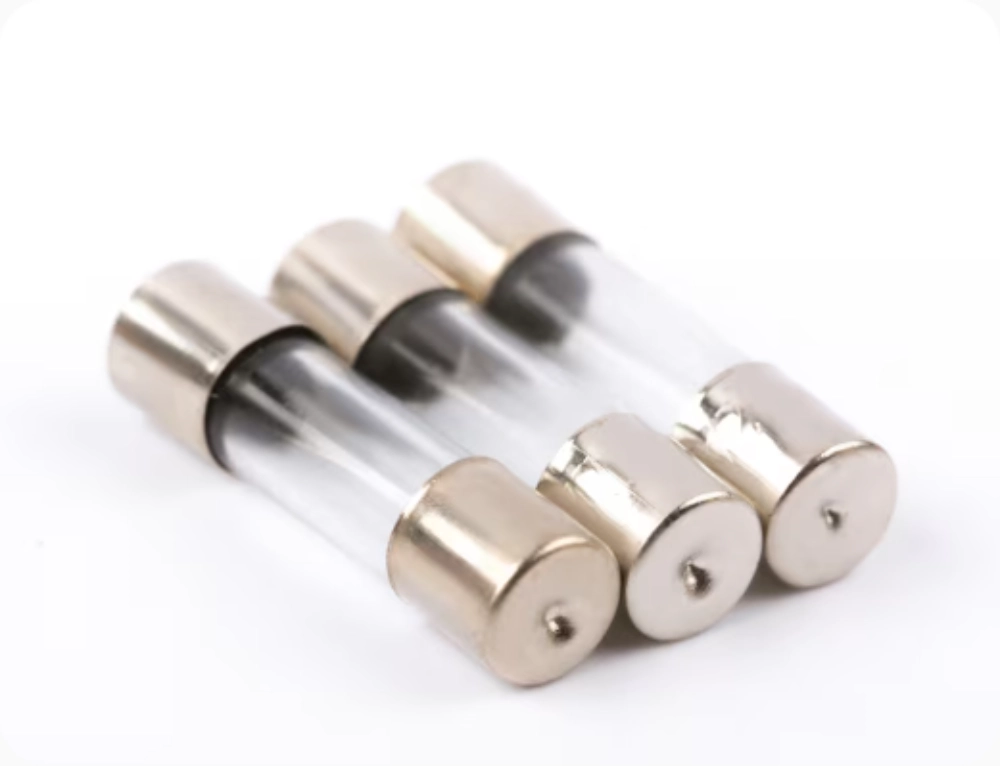
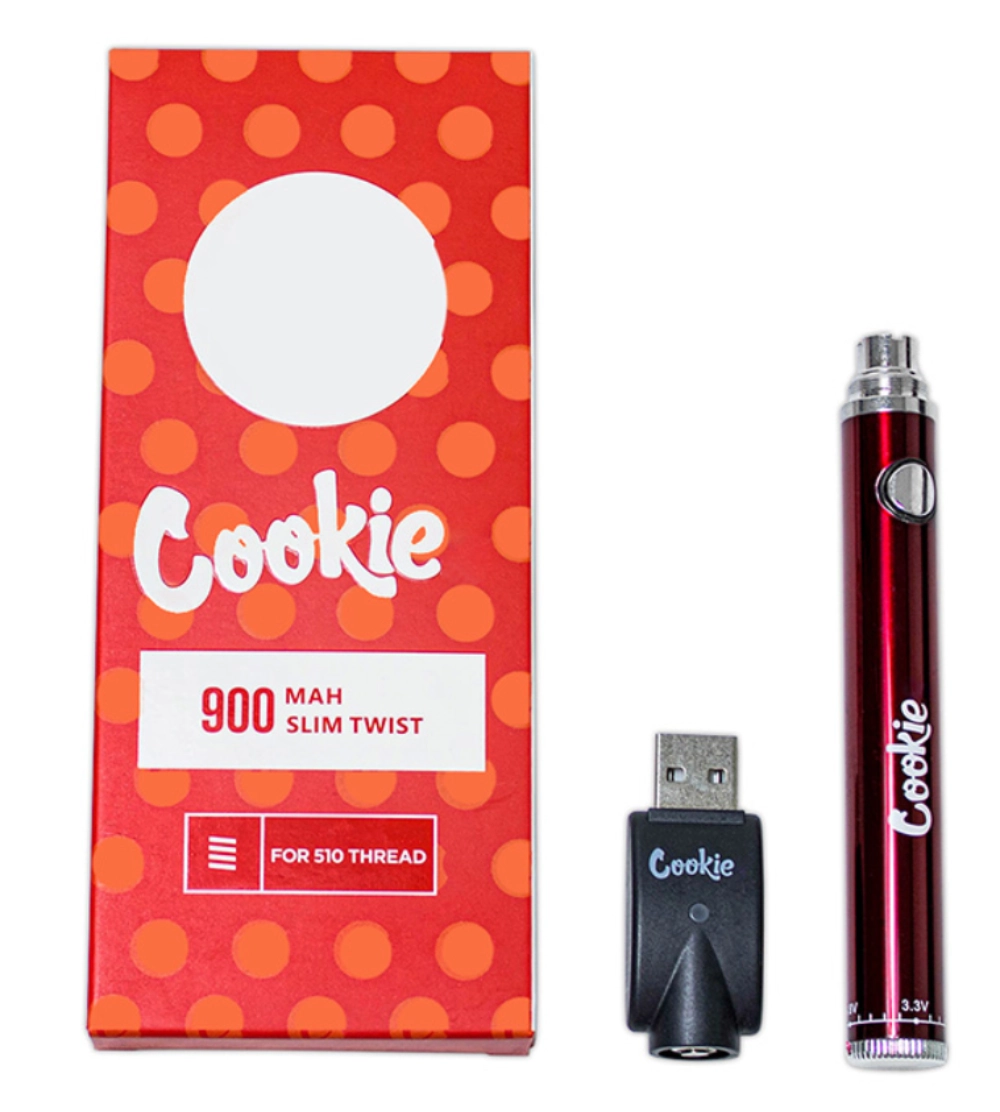
For instance, pairing a Cookies 510-Thread Vape Battery With USB in 350mAh or 900mAh configurations with a Custom 316 Stainless Steel CCELL CBD Vape Cartridge in 0.5ml, 0.8ml, or 1.0ml capacities creates a clear hardware baseline for an OEM project. The full ceramic coil and OEM options do not prove that every CCELL-style cartridge is interchangeable with every battery; the exact pairing still needs confirmation.
Does a CCELL Cartridge Automatically Use a 510 Thread?
No cartridge label should replace a fit check. “CCELL” may be used in the market to describe ceramic heating technology or a cartridge style. The thread connection is a separate specification. Some products are intended for 510-thread batteries, while other designs may use proprietary connections or a different device format.
Cartridge Branding, Heating Core, and Thread Type Are Different Checks
A ceramic coil affects how a cartridge heats oil. A brand or product family name helps identify the item. The thread type determines whether the cartridge can screw onto the battery. These specifications should not be merged into one assumption.
Buyers should ask for the thread specification, a drawing or sample where appropriate, and confirmation of the contact arrangement. This is especially useful when ordering a cartridge with custom mouthpieces, custom branding, or more than one capacity option. A change in one component can affect how a full device setup is reviewed.
Why Product Specifications Matter More Than Product Names
Product names can be shortened, translated, or used differently by distributors. The listed specification is more reliable. Look for the connection type, capacity, material, coil design, oil suitability, and recommended battery conditions. If the information is incomplete, request clarification before approving packaging or promoting the product as compatible.
The goal is not to make compatibility sound difficult. It is to avoid a preventable issue where a buyer receives a cartridge and battery that appear similar but do not make proper electrical contact or do not perform as expected.
What Must Match Between a Cartridge and a 510 Battery?
A successful pairing requires more than matching threads. The cartridge must attach securely, the center contact must connect correctly, and the battery output should suit the cartridge and oil configuration.
Thread Fit and Center-Pin Contact
The thread connection keeps the cartridge and battery together. The center-pin contact transfers power. Standard 510 hardware is commonly specified as M7 x 0.5mm, but the exact thread and center-pin geometry should still be confirmed for the parts being purchased. A small difference in center-pin height can prevent reliable contact even when the cartridge screws on. Batteries with variable output are often used to match oil and cartridge behavior; confirm the approved voltage range with the cartridge supplier before production.
Before placing a larger order, test the intended cartridge and battery combination as a sample set. Confirm that it attaches without cross-threading, sits correctly, and can be removed without damaging the connection. This simple step is more useful than relying on a product photo.
Output Settings, Oil Viscosity, and Preheat Needs
The electrical side of compatibility also matters. Different oil formulations and cartridge designs may perform differently at different output levels. A battery with a 510 thread does not automatically make every power setting appropriate for every oil cartridge.
Ask which output range is intended for the cartridge, whether a preheat function is relevant, and what oil viscosity the cartridge is designed to handle. The Custom 316 Stainless Steel CCELL CBD Vape Cartridge is intended for low- and high-viscosity CBD or THC oil, while the final product configuration should still be confirmed with the supplier and the applicable local requirements.
For the physical side of 510 compatibility, What Are the Critical Dimensional Standards for 510 Threaded Cartridges explains why electrical fit and thread fit are related but not identical checks.
How Can Buyers Check Compatibility Before Ordering?
The most reliable workflow is to verify documents first and then test a sample pair. It keeps product teams from discovering a mismatch only after labels, packaging, or fulfillment plans have been approved.
Verify the Cartridge Product Page and Sample Fit
Start with the exact cartridge SKU, not a category label. Confirm capacity, thread information, coil type, mouthpiece style, materials, and intended oil use. Then request a matching battery sample and test the connection. For a branded project, make sure the tested parts are the same version that will go into production.
If a supplier offers several cartridge capacities or mouthpiece options, confirm whether each version shares the same connection and whether any change affects fit. Record the approved combination in the product brief so sales, sourcing, and packaging teams are working from the same information.
Check Charging, Battery Capacity, and Intended Use
Battery capacity affects how a product is positioned, while charging affects how it is supported after sale. The Cookies 510-thread battery has 350mAh and 900mAh USB-charging variants. A smaller capacity may suit a compact accessory format, while a larger option may fit buyers who place more weight on available battery reserve. The right choice depends on the cartridge, use pattern, and retail plan.
Do not treat a battery’s capacity number as a performance guarantee for every cartridge. Pair it with the actual cartridge configuration and ask for sample feedback before deciding how to describe the finished set.
The product brief should also identify which parts are supplied together. A battery sold separately, a cartridge sold separately, and a finished kit can require different instructions and packaging. When the same battery is intended to work across several cartridges, test each approved combination. A result from one sample does not automatically confirm every capacity, mouthpiece, or oil configuration in the range.
Record whether the cartridge screwed on smoothly, whether the center contact worked consistently, whether preheat was used, and whether the set met the product requirement. Keep this record when comparing cartridge versions or approving a new packaging configuration.
When Is a USB 510 Battery a Better Wholesale Option?
A USB-charged 510 battery can be a practical option for distributors and private-label projects because the charging arrangement is familiar and the battery can be offered separately from the cartridge. It can also support product ranges that need more than one capacity position.
350mAh vs 900mAh Product Positioning
The 350mAh and 900mAh options create a simple starting point for range planning. A buyer can compare compactness, intended usage, packaging space, and target price position. The final decision should include the cartridge design and the expectations of the intended channel, not capacity alone.
OEM Branding and Packaging Coordination
When cartridges and batteries are sold as a coordinated set, their branding and packaging should be reviewed together. Confirm the approved model names, color direction, logo placement, included accessories, and usage instructions. This reduces the risk of presenting parts as universally compatible when they have only been verified as a specific set.
For a private-label launch, keep the approved cartridge version, battery version, charging method, and tested settings together. This gives the purchasing team a repeat-order reference and prevents an untested substitution from being presented as equivalent.
When the approved pairing is ready for a quotation or a private-label discussion, use the Buddacana contact page to keep model details, requested quantities, and packaging requirements together in the inquiry. That reduces the chance that a battery and cartridge are quoted as a set without the exact compatibility record attached.
Conclusion
CCELL-style cartridges can be compatible with a 510-threaded battery, but the answer depends on the exact product. Check the thread type, center contact, output needs, oil configuration, and sample fit before approving an order.
For wholesale and private-label projects, the strongest approach is to define the approved cartridge-and-battery combination clearly, test it before production, and keep the technical claim on the packaging as precise as the product evidence allows.
FAQ
Are all CCELL cartridges 510 threaded?
No. Do not assume the thread type from the cartridge name or ceramic-coil description. Confirm the specification for the exact item.
Can a 510 battery fit a cartridge but still not work correctly?
Yes. The center contact, output setting, oil type, and cartridge design can affect performance even when the cartridge screws on.
What should a wholesale buyer request before ordering?
Request the exact specification, intended battery pairing, sample units, connection and output guidance, branding details, and packaging requirements.

HOT INVESTMENT IN ALL
REGIONS OF THE WORLD
REGIONS OF THE WORLD


