

Vape Cartridge Condensation or an Oil Leak? How to Tell the Difference
Nov. 19, 2026
00:00:25
“There’s oil on it.” Where, exactly? On the lip of the mouthpiece, down the side of the tank, or underneath the cartridge? Before a seller can do much with that complaint, the location needs sorting out.
A tissue with a sticky mark on it has already lost some of the evidence. On the cartridge itself, you may be able to see a trail or a wet joint. Take a photograph while those details are still visible. The answer may be condensation, leakage, or simply something that needs a closer look by the supplier. There is no reliable diagnosis to be made from the colour of a drop alone.
Mouthpiece residue has more than one explanation
Condensation is one possibility because aerosol passes through a channel on its way out. Some material can collect against the cooler surfaces of that passage, leaving residue around the mouthpiece after use. You do not need a split tank for that to happen.
That does not make every wet mouthpiece a condensation problem. Liquid from elsewhere can reach it, and an external inspection has limits. The useful question is how the residue appeared: after use at the opening, or from a joint while the cartridge sat unused? Write down what you saw, even if the answer is “not sure.”
For a model reference, Buddacana has a vape cartridge catalogue. Find the exact product details before deciding which parts are removable. Similar-looking mouthpieces need not be attached in the same way.
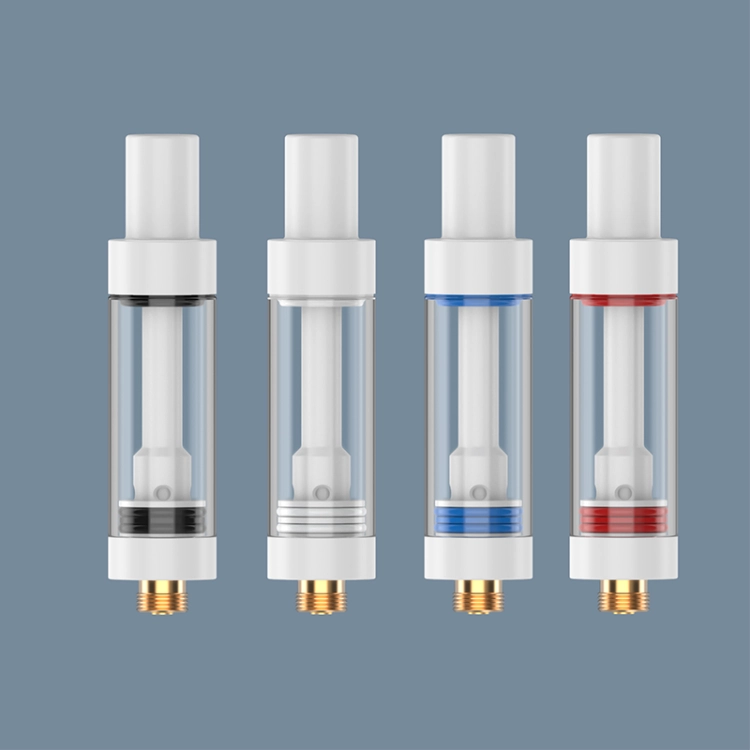
Do the outside check with the device off
Use the prescribed off or lock procedure. What can come apart is a question for the product instructions. With an integrated or sealed unit, the outside inspection is as far as this check goes; with a removable cartridge, follow the stated removal method.
A dry tissue is enough for accessible exterior residue, subject to the product’s care directions. There is no general inner-channel cleaning procedure to add here. Without one from the manufacturer, do not insert tools or blow forcefully into the passage: hidden parts and liquid further inside are beyond the view of this inspection.
Look above the wet patch as well as at it. Has liquid run down the wall? If so, a pool at the bottom might have started higher up. For the photo, step back enough to include the cartridge, then take the close-up. A seller receiving only a magnified wet patch has to ask where it was.
A crack changes the next step
A cracked tank or a seam that is visibly releasing liquid belongs with the seller’s fault process, out of use. The same goes for a leak that keeps returning. No household adhesive repair, no squeezing the tank to see what comes out; leave it intact for the enquiry.
Has liquid reached an electrical connection? Then neither use nor charging should continue. A wiped contact may look clean while the condition inside the assembly remains unknown. Another draw would add no certainty worth that risk. Refer the affected unit to its manufacturer’s directions.
The pairing and filling questions
Which battery was attached? Put its model beside the cartridge reference in the complaint. A screw connection can fit while the electrical requirements still need checking against the approved pairing. Looking through Buddacana’s 510-thread battery listings can help identify the item; it cannot approve a combination merely because both parts have the same thread name.
For an empty-hardware order, put the formulation and proposed filling procedure in front of the supplier before production. A result with one oil cannot simply be carried over to another formulation. And with a sealed retail unit, look for an explicit refill provision in its documentation. A port for the charger answers a different question.
Storage history is worth including, without making it the automatic explanation. Was it lying on its side in the box? Had it been near heat? If nobody knows, write that instead of filling in the blank with an assumption. The stated handling conditions still apply. Deliberately warming a faulty cartridge to trace oil is not a useful home test.
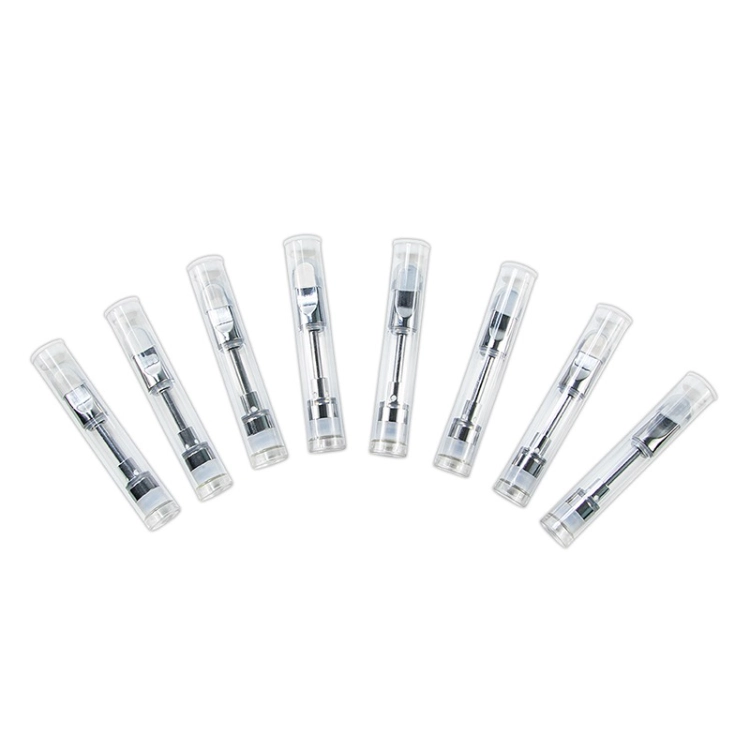
A report the supplier can use
Three useful entries on the complaint are the original location, what happened while the cartridge rested, and when the wetness was first noticed. Add model and batch references if available. Keep the packaging and photographs with that record.
Buddacana’s support page describes its hardware services; the contact page provides a route for model-specific enquiries. The seller’s replacement or return process may be the appropriate first route for a faulty purchase.
“Condensation or leak?” is a sensible question, but it need not be answered by continued use. A mouthpiece deposit after a draw fits one possible pattern. Reappearing liquid at a joint fits another. Preserve the observations and let the supplier review them, especially where there is damage or any wet electrical area.
Conclusion
The useful thing to keep is the story of where the liquid appeared, with a photo taken before cleaning. “At the mouthpiece after use” and “coming out of this joint while resting” are quite different entries on a complaint, even if both leave a sticky tissue. Where that story includes damage, repeated leakage or a wet electrical connection, leave the hardware out of service for the seller’s review. You do not have to establish the failed component yourself.
FAQ
Is a sticky mouthpiece enough to diagnose a leak?
Not on its own. Where was the wetness before the tissue touched it? If that detail is missing, the seller has a mark to look at but little to distinguish a draw-channel deposit from liquid that travelled there.
Can a leaking cartridge be checked by taking another draw?
There is no need to add that experiment to the complaint. Put the suspected faulty unit aside for the seller, with the photos already taken. A crack or a wet electrical area is a reason for stopping, not for one more try.
What if the battery contact looks dry after wiping?
What about behind the contact? An outside wipe cannot answer that. Once an electrical area has been wet, the next step belongs with the manufacturer’s guidance; neither charging nor use should be resumed just because the visible patch has gone.

HOT INVESTMENT IN ALL
REGIONS OF THE WORLD
REGIONS OF THE WORLD


