

Vape Battery Life Guide: How Battery Technology Affects Performance
Oct. 21, 2026
00:00:20
To the business buyer, vape battery life means a lot more than the MWh figure advertised next to the MAh rating. It is a measure of how long a vape will last between charges at a given power, and how constant that power is to allow for good quality vapor. Thus it is a function of the battery, the heating demand, the vape’s operating settings and the test conditions.
Buddacana is offering a range of different vape hardware including different battery sizes, tank capacities and output settings. In this feature we compare the documented specs of each product and explain what you should check for when a manufacturer makes claims about how long the vape will last.
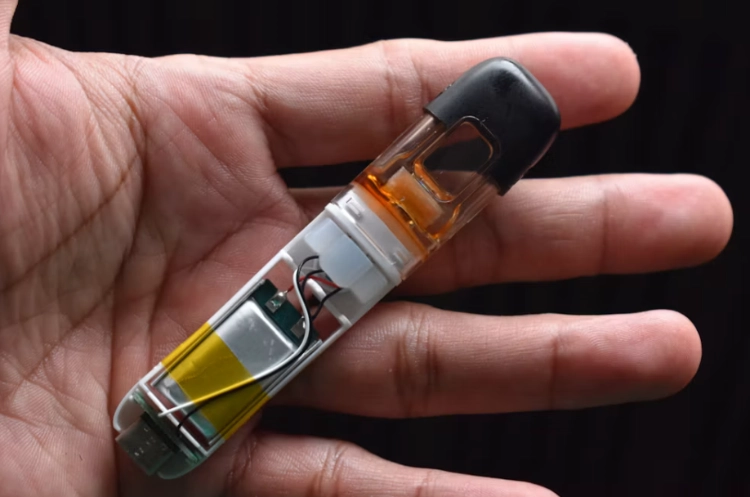
Why Does a Larger Battery Not Always Last Longer?
Capacity matters, but it cannot describe the entire device. A vape battery capacity comparison needs to account for how each product uses its stored charge.
Capacity Is Only One Variable
The battery is powering the heating element, the control system controls the current and the atomizer changes the electrical current into heat. The battery capacity is usually expressed in mAh. However, the mAh value does not tell you how long the battery will last.
Determine whether vaporizer candidates are tested under comparable loads. In particular, the output settings as well as the configuration of the heating elements of the candidates can lead to significantly different consumption of charge.
If you still need to select a device format, use our best vape 2026 buying guide before narrowing the battery requirements.
Output Settings Change Demand
Buddacana’s OASIS (135) product record lists a 400mAh battery, 1.2ohm resistance, and selectable 2.8V, 3.2V, and 3.7V output. These settings belong in the comparison alongside capacity.
A runtime result without output setting selected is useless. Don’t confuse lowest output setting with lowest runtime in all modes. Preheat is a control feature, not a runtime feature.
Reservoir Capacity Is a Separate Limit
OASIS (135) features a 6ml e-liquid tank and a 400mAh battery. Note that here 6ml refers to the liquid capacity of the tank and 400mAh refers to the battery capacity, two separate values.
A reservoir does not give you any idea of how long a device will run on before needing a recharge and also does not give you any guarantee that you can use up all the remaining liquid before it needs to be recharged. Therefore it must be clearly separated from the liquid requirement and the charging requirement in the project brief.
What Affects Runtime During Actual Use?
The same hardware can deliver very different vape battery life depending on how you intend to use it. It’s therefore sensible to test the battery life under the intended pattern of use rather than under a variety of arbitrary test regimes.
Draw Patterns and Preheat Use
Industry documentation describes heating of the device by airflow sensor or button. It also describes control circuitry and power supply as separate functional elements of the battery assembly.
Record activation duration and frequency as well as any preheat use. More activation time typically translates into more heating required. However, this does not give one the excuse to pull ‘an arbitrarily’ chosen number of hours or puffs out of thin air.
A sample tested with repeated preheating should not be compared silently with one tested without it.
Cell Packaging and Power Management
Soft-pack cells are described in the technical documentation by using an aluminum-plastic composite enclosure that allows for different shapes. Packaging a battery in different cell forms affects how it can be accommodated in a portable housing.
The same documentation describes a control section containing circuitry and switching components, with power management controlling current to the heater. Capacity and cell shape do not describe that control behavior.
For rechargeable vape battery performance, ask which cell and control configuration the sample uses.
Charging Access and Product Format
A product that can be charged during a work break faces different requirements from one expected to operate without charging access. Define that condition before selecting capacity.
OASIS (135) lists Type-C charging, button controls, preheat, and an on/off sequence. These are documented operating features. Its record does not provide a verified full-charge time.
A connector type does not establish charging speed. Request the model’s electrical input requirements and instructions before writing charging claims.
How Should Buyers Compare Battery Performance?
Useful vape battery life evidence needs a method that another person can follow. The following is a proposed evaluation framework, not a report of completed tests.
A Recorded Test Configuration
For vape battery runtime testing, identify the model, capacity version, formulation, output setting, starting charge condition, activation pattern, and stopping point.
Keep relevant conditions consistent across samples. Where matching is impossible, disclose the difference instead of presenting the results as a direct ranking.
Define the stopping point in advance: device shutdown and a noticeable output change answer different questions. Record both if they matter to the project.
Two Separate Runtime Questions
First, assess useful operation between charges. Second, assess how charging fits the intended product-use cycle. Neither question can be answered by reservoir size alone.
Ask for vape charging specifications separately from runtime results. A device may support recharging without being designed for user refilling, so confirm both functions independently.
For broader context on flavor and battery assessment, see The 10 Best Pod Vapes of 2026 Reviewed and Ranked for Flavor & Battery Life. Its commentary does not replace model-specific test evidence.
Results With Clear Limits
Battery inspection process should include internal-resistance testing, capacity testing, reliability testing, and checks of mechanical operation and electrical performance. It also lists charging-current checks, aging tests, output-voltage tests, and functional inspection.
These are relevant categories for a supplier discussion. They are not measured results for the sample in your hand.
Request the applicable method, acceptance criteria, and sample identification. Record the number of units evaluated, and distinguish observations from production-wide conclusions.
Which Buddacana Models Fit Different Battery Requirements?
Product recommendations should connect with the charging scenario and required format.
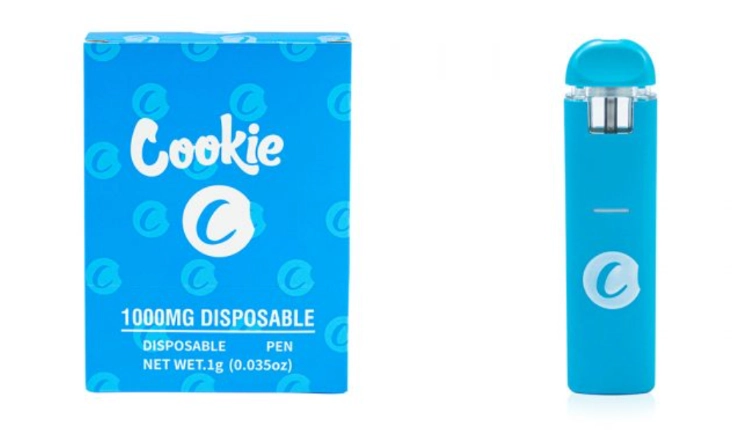
Cookies for a 1ml Project
Cookies Disposable Pens 1.0ml Rechargeable E-cigarettes 280mah battery is a candidate when the brief calls for the listed 1.0ml format and rechargeable operation.
The official product page states that this product contains a 280mAh battery, a ceramic core and a 1.2Ω resistance. It is supplied empty, so you need to check the charging interface, the input requirements and the run time with your desired formulation, not by guessing from the product name.
OASIS for Adjustable Output
OASIS (135) Best Cheap Vape Disposable is a candidate where the listed 6ml format, Type-C charging, and selectable output match the project.
Buddacana’s product records list a 400mAh battery, 1.2ohm resistance, three voltage settings, and button-operated preheat. Its dimensions are 87.3 × 39 × 16.4mm.
The larger nominal battery does not establish better vape battery life than the Cookies model. Different reservoir formats, operating settings, and unconfirmed control details prevent that conclusion without comparable testing.
|
Selection Point |
Cookies Model |
OASIS (135) |
|
Listed Battery Capacity |
280mAh |
400mAh |
|
Listed Reservoir Capacity |
1.0ml |
6ml |
|
Listed Resistance |
1.2Ω |
1.2ohm |
|
Selectable Voltage |
Not confirmed in the cited record |
2.8V / 3.2V / 3.7V |
|
Runtime Between Charges |
Requires comparable test evidence |
Requires comparable test evidence |
What Should Buyers Confirm Before Ordering?
Turn the shortlisted configuration into a written specification. This helps prevent a sample result from being applied to a different production version.
Battery Documentation and Inspection
Request battery inspection records tied to the proposed model and configuration. Buddacana’s process begins with incoming battery inspection and verification of labels, appearance, and specifications, followed by electrical, functional, and assembly-stage checks.
Ask which records are available and what was actually measured. Confirm charging instructions, operating settings, and any configuration changes between sample approval and production. A process description cannot establish a particular batch’s performance.
Service and Contact
If runtime claims or charging details remain unclear, contact Buddacana with the intended charging opportunities, device format, formulation information, and sample observations. Request a model-specific specification sheet and available test documentation. This gives both sides a concrete basis for discussing vape battery life before specifications or packaging claims are approved.
FAQ
Does a higher mAh rating always mean longer operation?
No. Also the heating demand, output, control and use conditions have to be compared for samples in documented test conditions.
Does Type-C charging mean a vape charges quickly?
No. Looking at the charging connector does not tell you how fast charging actually is for a device. You have to check the input requirements of the device and read out verified charging results.
How can a buyer verify vape battery life claims?
Request model-specific results showing the output setting, activation routine, starting condition, stopping point, and samples tested. Treat unsupported hour or puff claims as unverified.


HOT INVESTMENT IN ALL
REGIONS OF THE WORLD
REGIONS OF THE WORLD


