

Ceramic vs Stainless Steel Vape Cartridges: What Should Buyers Compare?
Sep. 28, 2026
00:00:44
When a brand compares 510 vape cartridges, ceramic and stainless steel are only the first two labels to review. The oil formulation, heating path, contact design, capacity, mouthpiece, and battery also affect whether a cartridge works for a particular product line. A material name alone cannot predict the result.
Buddacana supplies 510 vape cartridges, full ceramic cartridges, 316 stainless steel cartridge options, and related vaporization hardware for brand and wholesale programs. This guide compares the decisions buyers actually make: how the materials differ, what compatibility checks matter, which product formats fit different lines, and how to approve samples before a larger order.
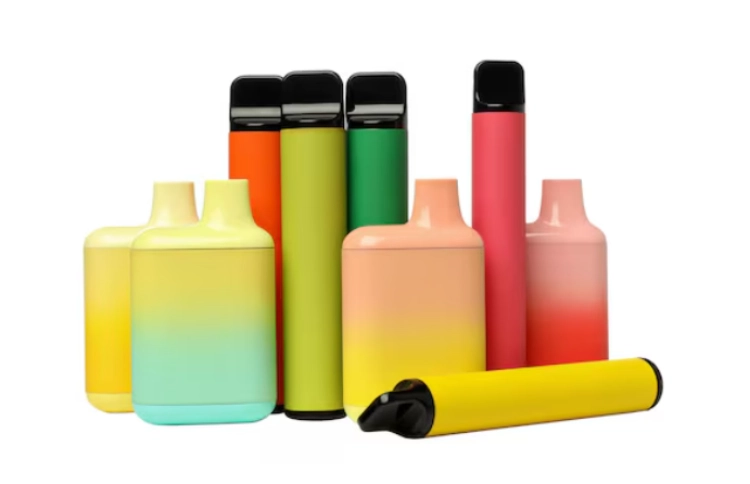
What Is the Difference Between Ceramic and Stainless Steel Vape Cartridges?
Ceramic and stainless steel describe important parts of a cartridge, but they do not describe the complete performance by themselves. The construction around the material must be reviewed as a system.
Full Ceramic Cartridge Construction
A full ceramic cartridge places ceramic prominently in the cartridge structure and heating path. Buyers often consider this format when they want to build a ceramic-focused line or discuss the relationship between material choice and flavor presentation. The actual result still depends on the oil, heating design, airflow, seals, and battery output used with it.
Stainless Steel Cartridge Construction
Stainless steel can be used in cartridge structures that need a metal component and a defined mechanical format. Buddacana lists a custom heavy-metal-free 316 stainless steel CCELL cartridge in several capacity options. The material gives buyers a concrete specification to review, but it should not be treated as proof that every stainless steel design will perform the same way.
Why Material Alone Does Not Decide Cartridge Quality
Two cartridges made with the same broad material can still differ in oil holes, center-post construction, heating element, mouthpiece, sealing, and thread fit. A reliable comparison therefore starts with the intended oil and battery. It then moves to sample behavior, repeat-order consistency, and the claims that can be supported in the final product copy.
How Should Buyers Compare Cartridge Performance and Compatibility?
The practical comparison begins with the conditions in which the cartridge will be filled, connected, shipped, stored, and used.
Oil Formulation and Flow Behavior
Oil viscosity and flow behavior affect how readily the oil reaches the heating area. Oil holes, chamber structure, resistance, and the selected battery output all play a role. Buddacana’s listed cartridge information includes details such as capacity, oil-hole layout, resistance, ceramic center-post designs, and 316 stainless steel options. These are useful review points, but they do not replace a test with the intended formulation.
Brands should therefore test the actual oil rather than approving a cartridge from an empty demonstration. A design that behaves well with one formulation may need a different review with another. This is one reason a 510 vape cartridges program needs a clear sample record instead of a material-only purchasing decision.
Thread, Size and Connection Checks
510 thread is a common connection format, but thread labeling does not eliminate every fit issue. Check the contact position, thread engagement, physical clearance, chamber size, mouthpiece, and the battery that will be used. A cartridge can appear compatible and still have a poor connection if the contact or overall dimensions are unsuitable.
Flavor, Heating and User Experience
The end user notices more than the material name. They notice the first draw, airflow, heating response, flavor carryover, handling, and whether the cartridge remains stable through normal use. These observations should be recorded during sample review. They should not be converted into absolute marketing claims without a defined test method and evidence.
Which Buddacana Cartridge Products Fit Different Product Lines?
Buddacana’s cartridge range allows a brand to compare material-focused and format-focused options within a real product plan.
510 Thread Full Ceramic Cartridge for Ceramic-Focused Programs
The 510 Thread Full Ceramic Cartridge is a direct option for a brand building a full ceramic line. It gives the buyer a clear material and connection direction to evaluate with the intended oil and battery. The approval decision should still come from the complete sample combination.
Custom Heavy Metal Free 316 Stainless Steel CCELL Cartridge
The Custom Heavy Metal Free 316 Stainless Steel CCELL Cartridge gives a brand a stainless steel option with listed 1.0ml, 0.5ml, and 0.8ml capacity choices. Those options can help a buyer plan a range around different fill sizes. The actual cartridge, oil, and battery combination still needs to be sampled.
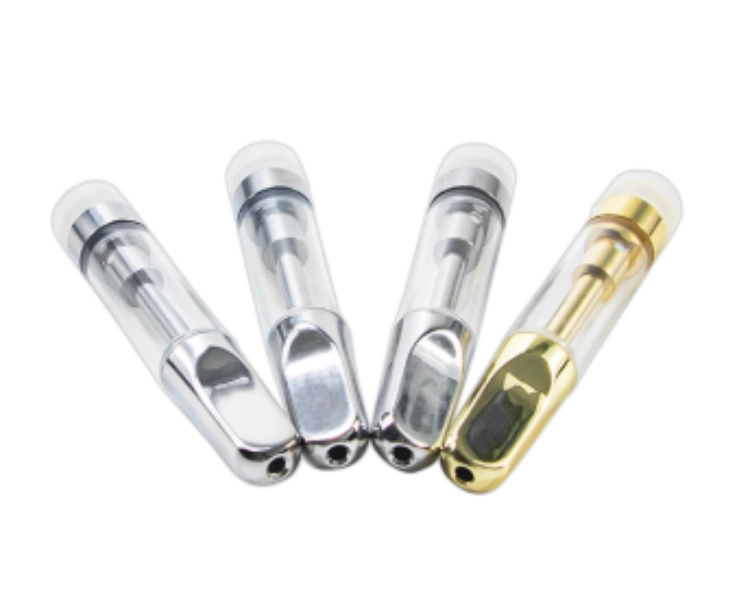
Cookies Atomizer Mouthpiece Cartridge for Broader SKU Planning
The Cookies Atomizer Mouthpiece Cartridge can support a broader SKU discussion around capacity and mouthpiece format. It is useful when a buyer wants to compare more than material alone and needs a product line with clear format differences.
What Should Brands Check Before Placing a Cartridge Order?
The most useful quality checks happen before the purchase order is fixed and while the intended oil is available for testing.
Review Samples With the Intended Oil
Use the actual formulation to check connection, leakage, oil movement, heating response, airflow, and the first draw after storage. Record the battery used in the test because a cartridge cannot be judged separately from the output and contact system that powers it.
Confirm Capacity and Structural Specifications
Check capacity, oil holes, thread, center post, mouthpiece, material, and outer dimensions. The product page, packaging, and approved sample should describe the same configuration. Where a specification has not been verified, it should not be converted into a precise performance promise.
Plan Quality Checks for Repeat Orders
The first approved sample is a reference for later orders. Keep the material, structure, capacity, packaging, labels, and functional checks in the purchasing record. When a component or supplier process changes, repeat the relevant review before treating the new batch as identical.
For connection questions that go beyond material selection, the published guide whether vape pen cartridges have a universal fit provides a useful related reference. It belongs beside the thread and dimensional checks, not as a substitute for testing the actual combination.
How Can Brands Choose Between Ceramic and Stainless Steel?
The final choice should follow the use case and the evidence from samples.
Choose According to Oil and Device Requirements
Start with the oil, heating plan, battery output, and connection requirements. If the formulation or device behavior creates a specific need, that need should carry more weight than a general preference for ceramic or metal.
Choose According to Product Positioning
Capacity range, mouthpiece format, visual design, customization, packaging, and target customer expectations all affect the product decision. A ceramic-focused line and a stainless steel-focused line may serve different roles without one material being automatically right for every program.
Choose According to Verified Sample Results
Sample results, repeat-order consistency, and after-sales feedback are stronger decision inputs than a material label by itself. Approve the exact configuration that will be filled, packaged, shipped, and sold.
Conclusion
There is no material-only answer for 510 vape cartridges. Ceramic and stainless steel should be compared with the oil, heating path, thread, battery, capacity, mouthpiece, and sample results in view. A disciplined comparison helps a brand choose a product that can be explained clearly and repeated consistently.
Contact Buddacana for Vape Cartridge Solutions
Buddacana supplies full ceramic cartridges, 316 stainless steel cartridge options, 510 thread batteries, and OEM or ODM vaporization hardware. Use the verified contact page to discuss the intended oil, capacity range, battery, sample plan, and product positioning.
FAQ
Are Ceramic Vape Cartridges Better Than Stainless Steel Cartridges?
Neither material is automatically better in every program. The result depends on the oil, structure, heating system, battery, intended user experience, and verified sample behavior.
Do Ceramic and Stainless Steel Cartridges Use the Same Thread?
Material does not determine thread compatibility. Check the specific 510 thread, dimensions, contact structure, and battery fit for the cartridge being considered.
Which Cartridge Material Is Better for Private Label Products?
The better option depends on the brand’s oil, product positioning, capacity plan, customization needs, and sample results. A material decision should follow those conditions.
What Should Buyers Test Before Ordering Vape Cartridges?
Test connection, leakage, oil movement, heating response, airflow, first-draw behavior, capacity, handling, and consistency across the approved configuration.
Can One Cartridge Design Work With Every Oil?
No. Formulation, viscosity, oil holes, heating structure, battery output, and storage conditions can change the result. The intended oil should be included in sample testing.

HOT INVESTMENT IN ALL
REGIONS OF THE WORLD
REGIONS OF THE WORLD


