

Vape Device Specifications Explained: Compatibility, Battery Ratings, and Maintenance
Oct. 21, 2026
11:17:37
When reading vape device specifications, don’t just compare the biggest numbers. A charging port does not mean that the vape can be refilled. The name of a connection does not necessarily mean that it is 100% compatible. And a material of a coil does not necessarily mean that it has advantages in terms of performance. The important question is what every statement tells you about a specific model.
When reviewing vape device specifications, buyers should separate documented functions from assumptions about performance. Charging capability, refillability, connection type, battery capacity, output voltage, and coil construction describe different properties and should be verified against the specific model.
For the broader category overview, return to the article: Complete Vape Buying Guide 2026: Types, Features, Reviews & How To Choose The Right Device. This article stays with specification boundaries, supporting records, and maintenance questions.
What Functions Does the Device Format Actually Confirm?
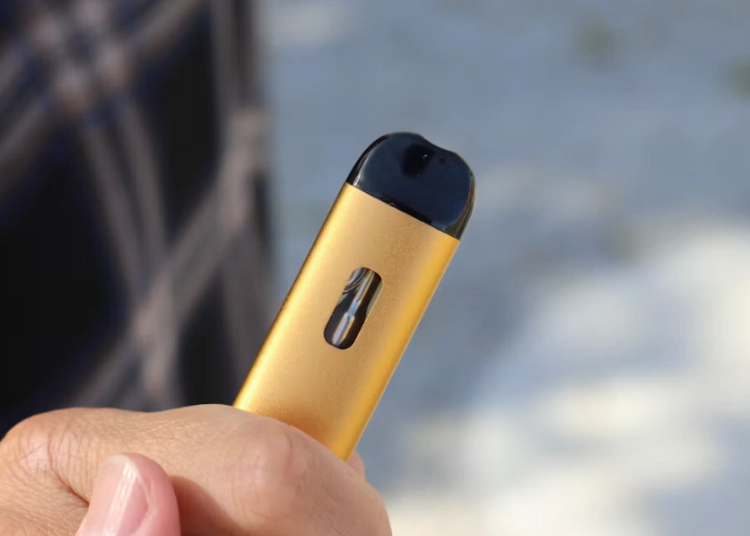
Start with what functions are documented to work, such as charging, liquid access and component replacement. These appear to be listed together on a specification sheet but answer different questions.
Rechargeability and Refillability Are Separate
Buddacana’s website describes rechargeable disposable structures and systems with prefilled cartridg es which can be replaced. One of them includes a recharging function, the other has a battery base which can be re-used and is supplied with prefilled cartridges. The above descriptions relate to different aspects of construction.
For a comparison of rechargeable vape devices and refillable vape devices, record each function separately. Verify that charging, refilling of the reservoir as well as replacement parts are explicitly mentioned. The fact that a vape device has a charging port does not automatically mean that a sealed reservoir can be opened.
Component Specifications Have Different Boundaries
A device body can house the battery and control electronics, while a cartridge contains the reservoir, atomizer core, and mouthpiece. The industry material describes these as distinct assemblies with different functions. A component entry therefore describes only part of the complete system.
Note the model identifier to the corresponding specification. Where a cartridge document exists and lists the liquid capacity of the cartridge, leave the corresponding battery capacity specification unconfirmed until the relevant battery document exists and lists the corresponding battery capacity. This allows the component specific information to remain with the correct component, as opposed to it being confused with information from a similar-looking assembly.
Which Specifications Need to Be Read Together?
Once the component boundaries are clear, examine the relationships between their ratings. A capacity figure, an electrical output, and a mechanical interface cannot substitute for one another.
Capacity Does Not Establish Runtime
The battery supplies electricity to the heating element, while the power management system controls current delivery. The industry material describes both functions. Battery storage and the electrical demand placed on that storage are related parts of device operation.
Comparing vape battery capacity and runtime requires stated operating conditions. Milliampere-hours describe charge capacity, not a guaranteed duration. Battery estimation methods also account for load and temperature, as explained in this technical application report. A runtime claim without its conditions remains incomplete.
A Shared Connection Does Not Prove Compatibility
The industry material identifies 510 threading as a connection system and discusses battery voltage separately. It also describes resistance heating in the atomizer. These are distinct mechanical and electrical properties, not interchangeable descriptions of the same feature.
For 510 thread compatibility, distinguish physical attachment from a documented operating combination. Check the specified models and electrical restrictions. A shared connection name alone does not resolve every operating requirement. Treat missing compatibility information as an open question, rather than filling the gap with an assumption.
Electrical Ratings Describe Different Properties
The atomizer’s heating element converts electrical input into heat through resistance heating. The battery and control electronics supply and regulate that input. These component functions are described in the industry’s structure and atomizer sections.
Read voltage, resistance, and capacity under separate labels. Charging input is another distinction: the USB power delivery overview concerns power transfer, not atomizer output. Accurate vape device specifications should make these boundaries clear; the presence of a USB connector does not establish a device’s charging capabilities.
What Can Coil and Airflow Descriptions Actually Prove?
A list of construction terms can explain the components of a ventilation system and how they function, but will not be able to establish service life, ventilation resistance or compare performance without some evidence to support the specific claims being made.
Heating Structures and Wicking Materials Differ
An atomizer core consists of a heating element and a liquid conductor. Wound wire, wire mesh or printed structures are typical materials for the heating element, whereas cotton or porous ceramic are typical wicking materials. Thus, the term for the heating structure and the term for the liquid conductor describe two different parts.
A mesh coil and ceramic wick should not automatically be treated as competing categories. The documentation must establish the actual arrangement. For a technical review, distinguish the stated materials from any claimed result: longer service life or reduced leakage requires evidence beyond the material names.
Activation Features Are Not Airflow Measurements
The airflow sensor detects changes in airflow or pressure. By activating the control electronics on the basis of this signal, the switching process described in the industry material is triggered. This is how activation takes place and not a measurement of draw resistance.
Note that automatic activation, adjustable vape openings, and internal vape channel geometry are separate features from vape device performance. When reviewing the features of vape devices, make sure to keep the features separate from the performance claims. The reference article, The 10 Best Pod Vapes of 2026 Reviewed and Ranked for Flavor & Battery Life, outlines evaluation criteria for the vape products reviewed in the article. Note, however, that the article provides only narrative comparisons and no model-specific data.
Where Do Maintenance Duties and Evidence Limits Begin?
What needs to be maintained are the parts that are to be serviced. What evidence is available is what has been inspected. What can be determined from appearance or from a general description of a product is very limited.
Serviceable Parts Must Be Explicitly Identified
The industry material describes a reusable battery base with replaceable cartridges. It also describes an integrated pen-style arrangement whose atomizer is not detachable from the battery. Those structural descriptions establish different component replacement boundaries.
Vape maintenance documentation should identify permitted cleaning and replacement procedures for the exact model. A removable cartridge does not establish a replaceable internal coil. Likewise, an accessible external part does not imply that opening a sealed assembly is an intended maintenance task.
Inspection Steps Are Not Test Results
Buddacana’s website lists inspection stages covering battery internal resistance, capacity, charging current, and output voltage. It also lists heating-wire resistance checks and finished-atomizer inspections. These entries name inspection activities within a process.
They do not report measured results, acceptance limits, or sample details for a particular model. Useful supporting records identify the tested configuration, conditions, criteria, and findings. Do not turn an inspection flowchart into a certification claim, or invent maintenance savings where replacement intervals and cost records are absent.
What Information Helps Resolve a Technical Support Request?
If the records leave a question unresolved, a focused support request is more useful than a general request for better performance. Identify the document gap and the affected component first.
Model Identification and Document Versions
State the device and cartridge identifiers, document version, and the precise entry requiring clarification. If packaging and instructions conflict, describe both statements. Attach photographs of the relevant labels where appropriate, without assuming that similar housings share the same internal configuration.
Clear Questions for Service and Contact
Frame questions around confirmation: which component does this rating describe, which combinations are documented, and which parts are serviceable? Keep observations separate from suspected causes. This gives service personnel a defined issue to investigate and helps them correct incomplete vape device specifications.
For any unresolved documentation issues please contact Buddacana with Model numbers, Document version number and brief description of the issue. This could be for a compatibility record, Maintenance instruction or test conditions. For existing faults please provide when they occur and any error messages displayed. DO NOT attempt to carry out any other undocumented modifications.
Frequently Asked Questions
Which vape device specifications establish refillability?
Seek out specific information relating to reservoir access and what can be refilled. The fact that something can be charged does not mean it can be refilled. Separately, check for information relating to the replacement of cartridges.
Does a 510 thread guarantee compatibility?
No. The thread identifies a mechanical interface. The supported combination and electrical restrictions still need confirmation in the documentation for the components involved.
Can battery capacity establish operating hours?
Not by itself. Runtime depends on operating conditions as well as available charge. The practical value of vape device specifications lies in identifying both the confirmed properties and the evidence still needed.

HOT INVESTMENT IN ALL
REGIONS OF THE WORLD
REGIONS OF THE WORLD


