

What Is a 510 Threaded Cartridge and How Does It Work?
Sep. 22, 2026
00:00:58
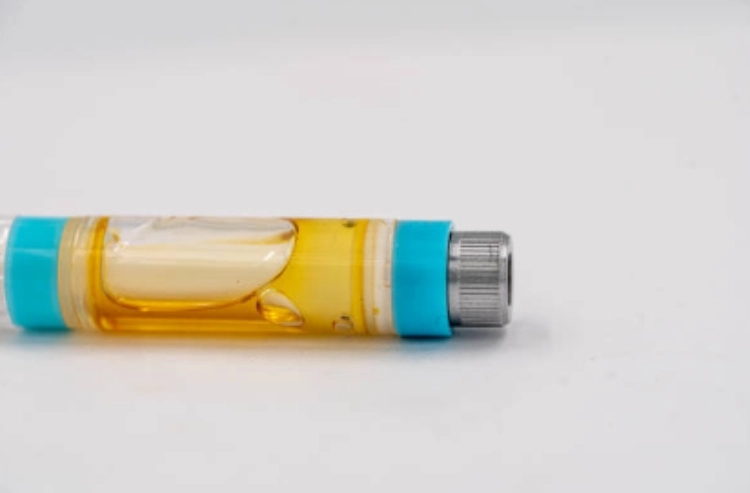
If you are asking what is a 510 threaded cartridge, it is a removable cartridge that connects to a compatible battery through the widely used 510 screw interface. The cartridge normally holds the oil and atomizing components; the battery supplies power. A cartridge alone is therefore not a complete vape. Compatibility depends on more than the threads, including oil type, cartridge construction, battery output, airflow, and physical fit.
Buddacana supplies cartridges, disposable atomization devices, and 510-interface batteries. Its range makes the component relationship easier to see: a buyer can compare a cartridge with separate battery formats instead of using “cart,” “battery,” and “vape” as if they mean the same thing.
What Is a 510 Threaded Cartridge?
The short answer to what is a 510 threaded cartridge starts with a component. The term describes a component and its connection. It does not define one oil, one capacity, or one brand.
The Cartridge and Its Main Components
A typical cartridge includes a reservoir, atomizing element, liquid inlets, airway, mouthpiece, base, and electrical contacts. Designs vary. Some use ceramic components, different metals, or different inlet sizes to suit the intended formulation.
The reservoir stores the material while the atomizing element receives power and turns a controlled amount into aerosol. Seals and joints must keep liquid away from the external connection. A leak at the base can interrupt electrical contact and contaminate the battery.
What “510 Thread” Refers To
The name refers to the screw-style connection used between many cartridges and battery devices. Buddacana’s product information identifies 510 as a common interface for a battery rod and atomizer. That common interface improves availability, but it should not be read as a promise that every combination will work well.
The threaded shell provides mechanical attachment, while center and outer contacts complete the electrical path. Dirt, oil, damage, or excessive tightening can interfere with that path even when both components are labeled 510.
How a Cartridge Differs From a Complete Vape
Think of the cartridge and battery as two halves of one small tool. The cart holds the material and atomizing path. The battery brings the power, along with whatever controls that model uses: perhaps a button, draw activation, preheat, voltage control, or a display. The right pair makes a usable system.
A disposable vape combines these functions in one unit and is not normally separated into a reusable battery and removable cartridge. A pod system may also use a proprietary push-fit connection rather than a 510 screw. These categories should remain distinct in product descriptions.
How Does a 510 Threaded Cartridge Work With a Battery?
To explain what is a 510 threaded cartridge in operation, the sequence is short: connect it, supply power, heat the atomizer, then draw through the airway. The annoying failures usually live in the details.
The Threaded Connection
The 510 Thread Full Ceramic Cartridge is one real example of a cartridge built for this interface. The user screws it onto a compatible battery until contact is made. It should sit securely without being forced.
Overtightening can make removal difficult or press components beyond their intended position. If the device does not detect the cartridge, remove it, inspect the threads and contacts, clean only as recommended, and reconnect gently.
Power Delivery to the Atomizer
When activated, the battery sends electrical power through the contacts to the heating element. Heat reaches the liquid supplied through the inlets and wick or ceramic path, producing aerosol that moves through the central airway to the mouthpiece.
Too little power may produce weak vapor or incomplete atomization. Too much power can overheat the material, damage the atomizing element, or create a burnt taste. Use settings intended for the specific cartridge rather than assuming the maximum battery setting is better.
Preheating, Buttons and Airflow
Some batteries activate with a button; others respond to inhalation. Preheat can warm thick material before a full draw, but repeated preheating may overheat the cartridge. Airflow also affects draw resistance and aerosol production.
The Spacehero 510 Thread Vape Battery Pen provides a separate battery format for discussing these controls. Buyers should request operating instructions for the selected battery rather than applying one sequence to every model.

How Should Buyers Match a Cartridge With a 510 Battery?
For buyers asking what a 510 threaded cartridge is compatible with, a shared thread is only the first check. Oil behavior, electrical range, dimensions, and controls come next. Two parts can screw together neatly and still make a poor working pair.
Check the Thread Standard
Confirm that both parts use a genuine 510 connection and that the cartridge base can reach the battery contact. Recessed connections, unusually wide cartridges, protective housings, or damaged threads can create a physical mismatch.
For a deeper compatibility discussion, see Buddacana’s guide to vapes with 510 thread and cartridge matching for a check that goes beyond the interface name.
Check Oil Type and Atomizer Compatibility
Different formulations flow differently. Inlet size, ceramic or wick design, internal resistance, seals, and recommended filling process should match the intended material. A cartridge designed for one viscosity may leak, starve, clog, or produce inconsistent vapor with another.
Wholesale buyers should send the formulation characteristics needed for hardware selection and run filled-sample testing. Do not infer compatibility from capacity or thread alone.
Check Voltage, Preheat and Battery Controls
Ask for the cartridge’s recommended operating range and the battery’s available output. A variable-voltage battery offers flexibility only if the user knows which setting suits the cartridge. Automatic-draw and button devices also create different retail instructions.
The Cookies Atomizer 510-Thread Vape Battery With USB is another battery option, showing why charging method and controls belong in the system specification. Use the supplied charging guidance and a suitable power source.
Run four plain checks on a sample set. First, make sure the base threads on smoothly and the battery contact actually reaches it. Next, confirm that the inlets and atomizer suit the oil and that the battery output suits the cart. Look at clearance around the housing. Last, write down whether preheat is recommended and which activation or voltage instructions belong with the set.
What Should Users Check Before Using a 510 Cartridge?
A quick look before use can prevent a surprising number of connection and leakage problems. It also helps answer the practical version of what is a 510 threaded cartridge safe to connect to this particular battery.
Connection and Contact Surface
Check that the thread is straight and free of debris. The battery contact should be dry and clean. If oil is present, power the device off and follow the manufacturer’s cleaning guidance. Do not scrape contacts with metal tools or flood the connection with solvent.
Leakage, Damage and Storage
Do not use a cracked cartridge, loose mouthpiece, damaged seal, or battery with a dented housing. Keep the system upright where recommended and away from excessive heat, direct sunlight, children, and pets. Temperature changes can alter oil flow and internal pressure.
If a cartridge leaks repeatedly, replacing it is usually more sensible than repeatedly cleaning the battery and continuing use. For wholesale projects, recurring leaks should trigger a review of filling volume, sealing, storage, transport, and formulation compatibility.
Charging and Handling Practices
Separate the cartridge if the battery instructions require it during charging. Use the specified cable and power conditions, keep the charging area dry, and stop using a battery that becomes damaged or unusually hot. Avoid carrying a loose battery with metal objects that could contact electrical parts.
Retail instructions should cover installation, activation, voltage or preheat, charging, storage, and disposal. Clear instructions reduce the chance that a connection problem is mistaken for a defective cartridge.
For procurement approval, record the exact cartridge capacity, material, oil-hole size, resistance, recommended operating range, battery capacity, and preheat behavior for the paired SKU. Current Buddacana records include full-ceramic cartridge options around 1.4 ohm with four 1.8 mm oil holes, 316 stainless-steel cartridge constructions, and battery variants such as 350 mAh. Confirm the exact values against the production revision before publishing or placing a bulk order; do not combine specifications from different models.
Use a four-part sample check before approval: verify that the base threads on smoothly and the contact reaches the battery; confirm the oil inlets and atomizer suit the formulation; check housing clearance and leakage after storage; then record the allowed voltage, preheat, activation, and charging instructions for that exact pair. If any result follows the cartridge rather than the battery, review the cartridge or formulation instead of replacing both components.
Conclusion
The answer to what is a 510 threaded cartridge is straightforward: it is a removable atomizing cartridge designed to screw onto a compatible 510 battery. The complete system works only when the interface, physical fit, formulation, atomizer, power range, airflow, and handling instructions agree. Check those conditions before treating two 510-labeled components as interchangeable.
Contact Buddacana About 510 Threaded Systems
Discuss Cartridge and Battery Compatibility
Use the Buddacana contact page to share the intended formulation, cartridge capacity, battery controls, quantity, market, and packaging requirements. Filled-sample testing and a written component specification should be completed before a wholesale combination is approved.
Review Cartridge and Battery Options
Match the cartridge, battery output, formulation, fit, and instructions as one tested set.
Request Product and OEM/ODM Information
Send the formulation, capacity, controls, market, quantity, and packaging needs through the contact link.
FAQ
Is a 510 Threaded Cartridge the Same as a Vape?
No. When explaining what is a 510 threaded cartridge, the cartridge is one component. It normally needs a compatible battery to supply power, and the two parts together form the operating vape system.
Can Every 510 Battery Work With Every 510 Cartridge?
Not necessarily. The thread may match while the contact position, housing clearance, power range, oil compatibility, or controls do not. Confirm the complete combination.
What Should You Check if a 510 Cartridge Is Not Working?
Power off the device and inspect charge level, threads, contacts, cartridge damage, and connection pressure. Reconnect gently and follow the specific product instructions. Replace damaged or leaking components rather than forcing them to operate.
Related products
related articles


HOT INVESTMENT IN ALL
REGIONS OF THE WORLD
REGIONS OF THE WORLD


