

5% Nicotine Vape for Wholesale Markets: Compliance, Labeling and SKU Selection
Sep. 23, 2026
00:00:51
A 5% nicotine vape is not a universal wholesale SKU. Buyers must first establish whether the destination permits the nicotine concentration, device format, flavor and sales channel. Only then should they approve the formulation, hardware and packaging. Nicotine is addictive; concentration labels describe the liquid, not a health benefit or a guaranteed dose per puff.
Buddacana works with disposable devices, cartridges and interface batteries. Buyers should separate nicotine products from other cartridge applications and request a market-specific product specification. A listed nicotine option or an OEM/ODM service does not establish authorization to sell that SKU in every country.

What Does 5% Mean on a Wholesale Specification?
The percentage must have a defined measurement basis. A label stating 5% without the corresponding units and formulation record is not enough to approve production. Check the liquid specification and test report before converting a percentage into mg/mL or comparing suppliers.
Confirm the Concentration and Measurement Basis
If 5% is expressed as mass per volume, it means 5 g per 100 mL, or 50 mg/mL. If it is expressed as mass per mass, it means 50 mg/g; conversion to mg/mL also requires the liquid density. Do not assume those conventions are interchangeable.
Ask whether the stated figure refers to nicotine content or the mass of a nicotine-salt ingredient. The formula, laboratory result and label must use a consistent basis. Record the analytical method, acceptance limits and batch identity with the approved specification.
Separate Concentration From Device Output
Liquid strength does not specify nicotine delivery per puff. Coil resistance, power, airflow and liquid feed affect aerosol production. A formulation change therefore needs a hardware compatibility review even when the exterior and brand name remain unchanged.
Keep concentration, fill volume and any puff-count claim as separate specification fields. Do not turn a puff estimate into a nicotine-dose claim. Any performance claim needs its own documented test conditions and evidence.
Identify the Exact Product Format
Distinguish a sealed disposable, a rechargeable but non-refillable device, and a reusable pod or tank system. A charging port alone does not make a product reusable under every market’s rules. Confirm whether replacement pods, coils or refills are required and available.
Use a unique SKU for each approved combination of formulation, concentration, fill volume, hardware revision and packaging language. A shared model name must not hide different market versions.
Check Market Eligibility Before Selecting SKUs
The destination review should cover national rules and any applicable regional restrictions. Assign responsibility to the importer or other accountable business, and retain the current regulatory basis for the decision. Stop an order when eligibility remains unresolved.
European Union and United Kingdom Concentration Limits
For ordinary consumer nicotine e-cigarettes, Article 20 of the EU Tobacco Products Directive and the UK’s MHRA guidance set a maximum nicotine concentration of 20 mg/mL. A 5% mass-per-volume liquid at 50 mg/mL exceeds that limit. A different warning label cannot make that formulation compliant.
The same frameworks limit nicotine-containing tanks or cartridges to 2 mL and refill containers to 10 mL, with applicable notification and packaging obligations. National rules may add restrictions. Confirm the exact product format and destination requirements rather than treating an EU-facing package as approval for every market.
United Kingdom Restrictions on Single-Use Vapes
UK government guidance states that the sale and supply of single-use vapes have been banned since 1 June 2025, including products without nicotine. Wholesalers and importers are covered. Lowering nicotine strength does not resolve a prohibited device format.
A reusable product must meet the applicable rechargeability, refillability and replaceable-coil requirements. Where a coil is present, it may be replaced through a removable pod or cartridge. Confirm that users can separately obtain the required refill items; do not rely on a rechargeable battery alone.
Age Restrictions and Permitted Sales Channels
Confirm the minimum purchase age in the destination and any stricter local rule. Record how retailers and online sellers verify age, which channels are permitted, and whether the product requires authorization or notification before sale. An age symbol on the carton is not a complete sales-control process.
Keep advertising and packaging directed to the lawful adult market. Do not describe nicotine products as healthy, harmless or approved merely because a supplier holds a business registration. Verify any product authorization against the exact model and formulation.
Build a Market-Specific SKU Selection File
Exclude unlawful concentrations and formats before comparing price, flavor coverage or order quantity. The shortlist should contain only versions that can complete the destination’s compliance process and that the importer is prepared to support.
Record Each Variant Separately
For each SKU, record the model, nicotine concentration and units, liquid volume, flavor, device type, battery specification, charging input where applicable, coil specification and packaging version. Identify the manufacturer and responsible importer rather than relying only on the retail brand.
Match the sample identifier to the specification revision. A change in liquid supplier, coil, reservoir, battery or warning artwork should trigger a documented review before repeat production. Decide whether the change also affects regulatory submissions.
Compare Lower-Nicotine Options Without Health Claims
A lower concentration may fit a lawful product range, but it is not proof of lower overall risk or regulatory acceptance. Keep nicotine strength selection, satisfaction, and compliance separate from unsupported claims about safety, dependence treatment or guaranteed exposure reduction.
Define What Adjustable Settings Actually Change
A power control changes device operation; it does not alter the nicotine concentration of the filled liquid. A range offered in several strengths is also different from a device with adjustable power. Product descriptions should state which adjustment is available.
Confirm the permitted operating range for the approved formulation. Include the user instructions and any required warnings in the artwork review, and verify that the control labels describe the actual function.
Match the Liquid, Hardware and Packaging
Approve a complete liquid-and-device combination. A familiar enclosure or an unchanged concentration does not establish that a different coil, wick or formulation will perform consistently.
Check Label Accuracy and Warning Panels
Check concentration units, ingredient information, net fill, batch code, manufacturer or importer details, mandatory warning wording, language and legibility. Review child-resistant and tamper-evident requirements where applicable. Use the destination’s prescribed warning presentation; do not replace it with a general ‘adult use only’ statement.
Review the Listed Hardware as Specific SKUs
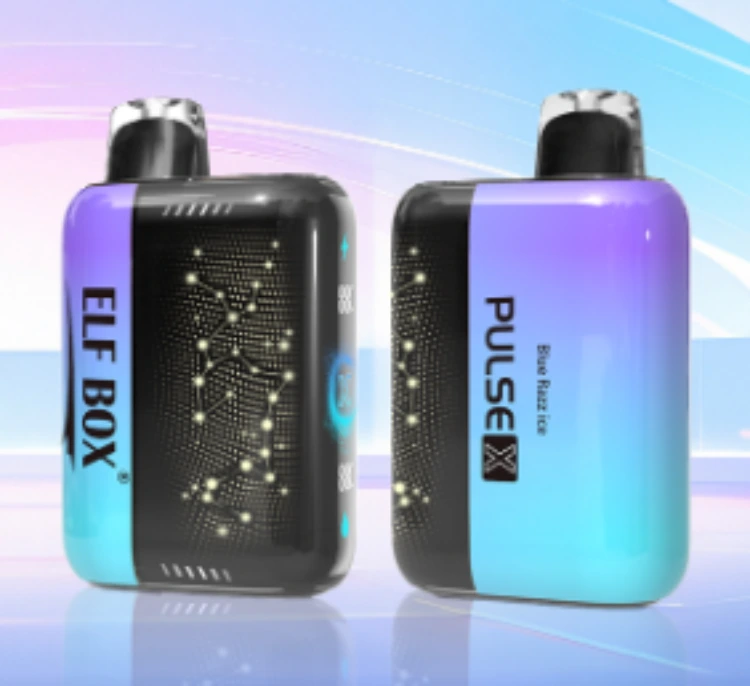
The ELF BOX PULSE X Vapes With Low Nicotine and ELF BOX Digital 12000 Low Nicotine Vape are product references for specification discussions. Their names do not verify the concentration of a particular batch or its legal market access. Confirm the exact version before including either in a buying plan.
Request compatibility evidence for liquid viscosity, coil and wick operation, seals, airflow and the supported power range. Review leakage, charging and battery-protection checks relevant to the design. Agree on the test conditions and acceptance limits instead of relying on advertised puff counts.
Keep Batch Documents With the Shipment
The shipment file should connect each carton code to the approved SKU, formulation revision, liquid batch, hardware revision and packaging artwork. Retain concentration test results, required declarations or submissions, quality inspection records and applicable transport documentation. Check that the documents identify the supplied product rather than a similar model.
Define how the distributor isolates leaking, damaged or incorrectly labeled stock and traces affected lots. Keep a complaint contact and a recall process. Do not mix rejected units back into sellable inventory after changing only the outer carton.
Before release, reconcile four records: the approved specification, the batch test or inspection file, the printed unit label and the shipping carton. Concentration, fill volume, model and batch codes must agree. For the regulatory basis, consult the European Commission’s electronic-cigarette guidance, MHRA’s ‘E-cigarettes: regulations for consumer products’, and GOV.UK’s ‘Single-use vapes ban: information for businesses’; recheck the rules before shipment.
Conclusion
Wholesale selection starts with market eligibility, not the highest nicotine number. Approve the exact concentration and product format, verify the liquid-and-hardware combination, and release only stock whose labels and batch records match. Neither a lower concentration nor a rechargeable battery automatically makes a product lawful.
Contact Buddacana About Market-Specific Requirements
Confirm the Destination and Product Format
Use the Buddacana contact page to discuss a defined destination, product format, formulation, packaging language and order quantity. Request the exact product sheet and supporting records needed by the importer before approving samples or production.
Compare Only Eligible Product Versions
Separate lawful lower-strength or reusable options from versions that cannot be sold in the target market. Do not transfer artwork or compliance documents between variants without reviewing the differences.
Approve the Production Revision
Confirm the final specification, test requirements, batch coding and artwork revision in writing. Hold shipment if the supplied model or concentration differs from the approved version.
FAQ
Can a 5% Nicotine Vape Be Sold in Every Market?
No. A 5% mass-per-volume liquid is 50 mg/mL and exceeds the 20 mg/mL limit for ordinary consumer nicotine e-cigarettes in the EU and UK. Other destinations require their own concentration, authorization, age and channel checks.
Does Rechargeable Mean a Vape Is Reusable in the UK?
No. Rechargeability alone is insufficient. The product must also meet the refill and replaceable-coil requirements that apply to its design, with the necessary replacement items available separately.
Which Documents Should a Wholesale Buyer Check?
Check the market-specific product specification, concentration evidence, required regulatory records, approved warning artwork, batch traceability and relevant quality and transport documents. All should identify the same SKU and production revision.


HOT INVESTMENT IN ALL
REGIONS OF THE WORLD
REGIONS OF THE WORLD


