

Nicotine Safety Questions: Addiction, Exposure and Product Choices
Sep. 17, 2026
00:00:33
Nicotine is not a safe drug in the everyday sense. It is addictive, it changes how the body responds to reward and craving, and it should be kept away from minors, non-users, pregnant users, and anyone advised by a clinician to avoid it. For adult brands and retailers, the practical question is how to discuss the substance honestly while separating product choice from health claims.
Buddacana works with vape hardware and disposable vape options for adult-use markets, including 0% and lower-strength product directions. That matters because a buyer may be planning a shelf with different strengths, puff counts, and user expectations. The label, packaging, flavor brief, and sales description all need to stay clear about what the product is and who it is for.
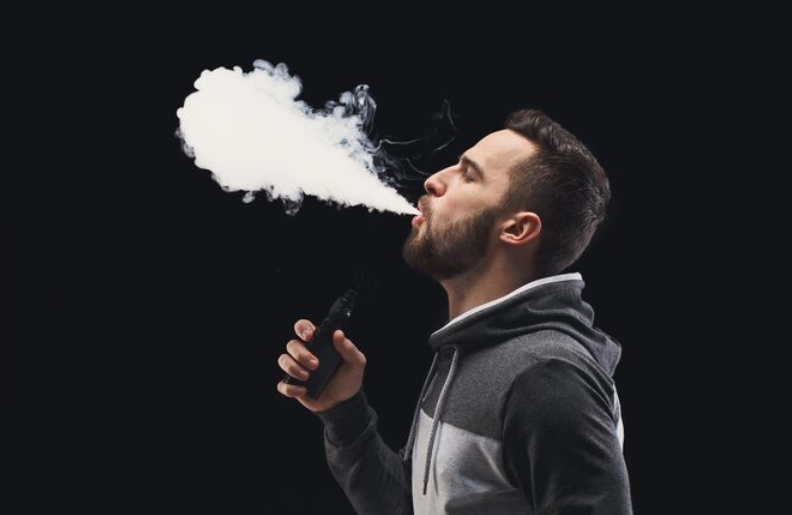
Is Nicotine Safe or Only Less Harmful Than Smoking?
The short answer is that Nicotine is addictive and not risk-free. The more useful answer depends on the comparison being made: no use, combustible smoking, or an adult vapor product.
Addiction Is the Main Safety Question
Nicotine can create dependence. A user may begin by looking for a buzz, a familiar throat hit, or a cigarette substitute, then find that regular use becomes harder to stop. A product brief should never turn that dependence risk into a lifestyle benefit. If the retail team cannot explain the difference between product strength, user age limits, and addiction risk, the line is not ready for market.
This is where a buyer has to think beyond a catalog page. A store assistant may be asked whether a lighter product is “safer,” whether 0% means “for anyone,” or whether a stronger option is better value. Those questions should have short, plain answers ready before the product reaches the shelf.
Exposure Depends on Strength and Use Pattern
A label with 0%, 2%, 3%, or 5% Nicotine does not describe the whole exposure picture. Puff count, device output, flavor appeal, user behavior, and how often the product is used also matter. A cleaner range separates 0%, lighter adult options, and stronger products so staff and customers can see the difference without reading a long explanation.
Safety Claims Should Stay Narrow
Avoid phrases that imply this kind of product is healthy, harmless, or approved for quitting unless the product has the correct regulatory pathway for that claim. A plain description is better: strength, flavor, device format, intended adult audience, and usage restrictions. Keep user-sensation explanations separate from safety claims. See the buzz effect guide for context on user sensation; it does not establish safety, suitability, or regulatory status.
How Should Buyers Compare Product Strengths?
Strength choice is not a race toward the highest number. A balanced product line helps adults find a known strength while keeping labels and sales language easy to understand.
0% Products for Flavor Without Dependence Positioning
The ELF BOX CRYSTAL BAR Non Nicotine Vape Pen fits a 0% shelf position. It should be described carefully: 0% does not mean suitable for minors, and it does not make vaping risk-free. It simply removes the active substance from the product proposition.
Lower Strengths for Adult Users Who Want a Lighter Option
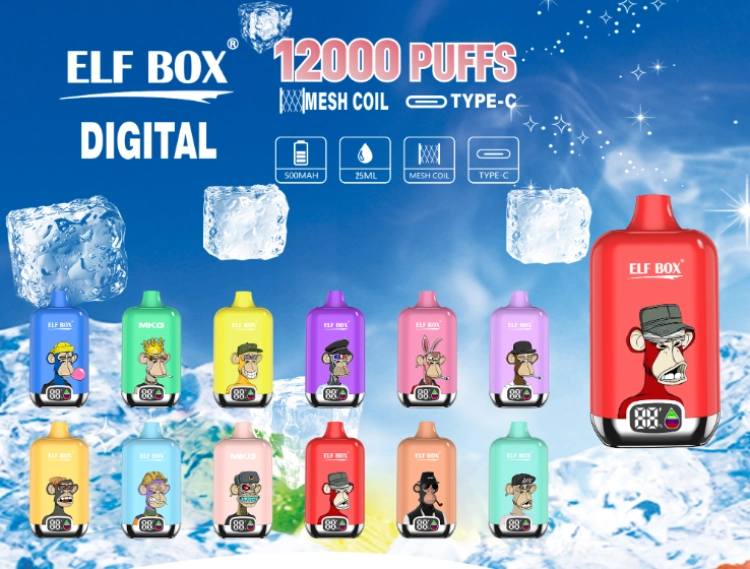
Lower-strength products can help a retailer avoid a shelf where every item pushes the strongest possible experience. The ELF BOX Digital 12000 Low Nicotine Vape gives buyers a concrete page to discuss lighter positioning, puff-count expectations, flavor naming, and adult-use packaging.
Higher Strengths Need Clearer Warnings
If a range includes higher strength products, warnings, age controls, and store training become more important. A buyer should check how the strength appears on packaging, whether the product name could attract the wrong audience, and how customer-service teams answer repeat questions about intensity.
A mixed shelf also needs a simple price ladder. If the strongest option is promoted as the obvious bargain, some customers may choose intensity instead of fit. Put the use case first, then the strength, then the price. That order is less flashy, but it is easier for staff to defend.
What Product Choices Affect Active-Ingredient Exposure?
Two products with the same strength can still feel different. Hardware, airflow, coil behavior, puff duration, and flavor all shape the user experience.
Device Output and Puff Count
Large puff-count products can invite longer ownership and repeated daily use. That does not automatically mean the user receives more active ingredient per puff, but it does change the product conversation. Buyers should ask how the device is positioned, how charging or battery reserve affects normal use, and whether the product copy might encourage excessive use.
Flavor and User Perception
Flavor makes a product easier to start and easier to repeat. That is a commercial advantage, but it also raises responsibility. Sweet or dessert-like names should be reviewed carefully so adult positioning remains clear. For a brand, restrained naming often ages better than a loud flavor promise that later creates compliance or reputation problems.
Packaging and Retail Instructions
Packaging should state the strength clearly and avoid mixed signals. If a carton says “light” in one place and uses intense language elsewhere, the shelf message becomes confused. Keep strength, warning language, age restriction, and product format together.
|
Product direction |
Buyer use |
Main caution |
|
0% vape |
Adult flavor-led range |
Still restrict to adult channels |
|
Lower-strength disposable |
Lighter adult option |
Do not imply medical benefit |
|
Higher-strength product |
Users seeking stronger delivery |
Stronger warning and staff training needed |
What Should Brands Check Before Ordering?
The safest commercial path is not complicated. Keep the product description factual, make the user group clear, and avoid unsupported health language.
Confirm Strength and Label Language
Record the exact percentage, product name, flavor, warning text, packaging design, and destination-market wording before production. If the same flavor appears in several strengths, make the strength difference visible enough that a user cannot confuse them.
Check Age-Gating and Channel Fit
Retailers and importers need to know where the product can be sold, how age controls are handled, and whether the package or flavor name creates unnecessary risk. Product planning should consider online display, shelf cards, cartons, and after-sales scripts together.
Keep Reorder Records Tight
For repeat orders, the approved strength, flavor name, artwork, device format, and carton wording should stay tied to the purchase record. A small wording change can create a bigger problem than a small color change.
One practical habit helps: keep the final retail photo beside the approved artwork file. When the next order starts, the buyer can see whether the printed carton, flavor name, warning panel, and device format still match. It is a plain check, but it catches the mistakes that cause arguments after delivery.
Before production, create a market-specific compliance file containing the approved nicotine percentage, ingredient declaration, warning panel, age restriction, product format, artwork version, and permitted sales language. For reference, current product records list ELF BOX CRYSTAL BAR at 600 puffs, 2ml, 500mAh, and 0%/2%/5% options, while ELF BOX Digital 12000 is listed at 12,000 puffs, 25ml, and 0%/2%/3%/5% options. Use these figures only after confirming the destination-market SKU and printed artwork match the current production revision.
Conclusion
Nicotine should be treated as an addictive substance, not a casual wellness ingredient. Buyers can still build a responsible adult product range by separating 0%, lighter, and stronger options, keeping packaging accurate, and avoiding unsupported safety claims. A clear product brief protects both the customer experience and the brand’s long-term position.
Contact Buddacana About Adult Vape Product Planning
Prepare the Product Brief
Include target market, product format, strength, flavor direction, puff-count target, packaging needs, and compliance questions.
Separate 0% and Strength SKUs
Keep product naming, warning text, and sales materials clear for each strength.
Send the Project Questions
Use Buddacana’s contact page to discuss product options and order details.
FAQ
Is Nicotine a Safe Drug?
Nicotine is addictive and not risk-free. It should not be described as harmless, and it should not be marketed to minors or non-users.
Is a 0% Vape the Same as a Safe Vape?
No. Removing the active substance changes the product proposition, but it does not make vaping suitable for every person or every setting.
How Should a Retailer Explain Nicotine Strength?
A retailer should explain the stated percentage, product format, intended adult audience, and basic use cautions without making medical or quitting claims.

HOT INVESTMENT IN ALL
REGIONS OF THE WORLD
REGIONS OF THE WORLD


