

Different Types of Weed Wax and How to Choose the Right One
Sep. 18, 2026
00:00:15
Different types of weed wax are usually judged by texture, color, handling behavior, and how well the concentrate works with the intended device. The name alone does not tell a buyer whether the material will load cleanly, vaporize evenly, or leave residue around a cartridge connection. For retailers and brands, the right choice starts with the concentrate and the hardware together.
Buddacana supplies vape cartridges, 510 thread batteries, and related device options for brands working with oil, CBD, THC, and concentrate-style products. For buyers, the useful work is matching the material to hardware before the product copy is written. Local legality, age limits, and product compliance still need checking before any order or sale.
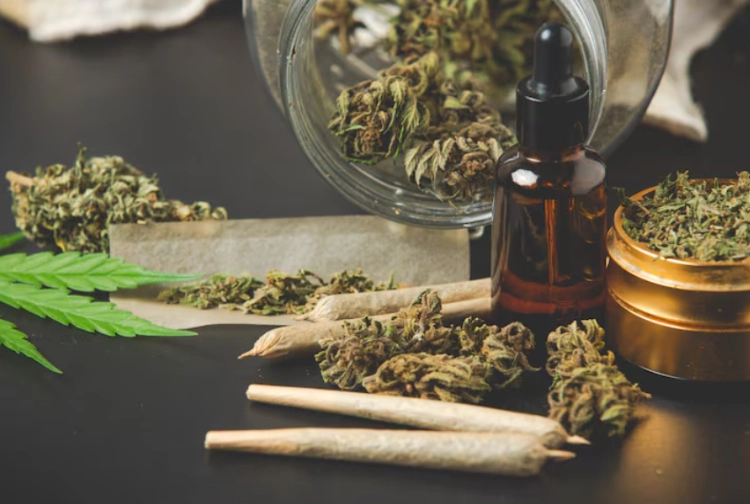
What Are the Main Types of Weed Wax?
Weed wax is a broad retail word. It can include softer, wetter, glassier, or more crumbly concentrates. These differences change storage, filling, device choice, and customer instructions.
Crumble and Drier Concentrates
Crumble is usually easier to break apart, but it can scatter during handling. A retailer may like it because it looks simple to portion, while an end user may notice that small pieces fall into threads, caps, or storage containers. For hardware planning, drier material can still leave residue if it melts near the contact point.
For different types of weed wax, the first complaint often starts with handling, not flavor. A customer opens the pack, tries to load a small amount, then wipes the tool, the rim, and sometimes the battery connection. If that routine feels messy, the product can lose repeat interest even when the concentrate itself is acceptable.
Budder, Badder, and Softer Textures
Softer waxes can be easier to load, but they can also smear onto tools and device edges. If the material is sticky, the packaging and user instructions need to explain how to keep the mouthpiece, thread area, and contact points clean. A neat-looking sample at room temperature should still be checked after heat, shipping, and normal pocket storage.
Shatter, Rosin, and Distillate-Led Products
Glassier shatter behaves differently from softer rosin or distillate-led material. Some products are better for dab tools, while others can suit cartridge or disposable formats after proper matching. A buyer should not assume that every concentrate belongs in the same cartridge system.
How Do Color, Texture, and Smell Help Selection?
Visual clues help, but they are not a full quality certificate. Use them as early screening points, then check source, processing, storage, and device compatibility.
Color Is a Clue, Not a Final Grade
Light gold, amber, darker brown, or cloudy-looking wax may reflect raw material, processing, age, storage, or formulation. Buyers who want to connect appearance with practical inspection should compare color observations with different types of weed wax and what their colors tell you.
Texture Changes During Shipping
Wax that looks firm during sampling can soften in a warm carton. A soft product can then move into caps or contact areas. A buyer should test packaging orientation, temperature exposure, and reopening after storage, especially when the product will travel through several warehouses.
This is why different types of weed wax should be checked after movement, not only on a clean sample table. Turn the pack sideways, leave it closed for a while, open it again, and see where the material has gone. That small check gives a better picture of what an ordinary buyer may see after shipping.
Smell Should Not Replace Documentation
Strong aroma may be part of the product appeal, but smell does not prove purity, potency, or compliance. Keep documentation, batch identification, packaging notes, and handling instructions together instead of relying on sensory judgement alone.
In day-to-day buying, smell is also a poor way to train a sales team. One staff member may call it fresh, another may call it too strong, and the customer hears two different stories. A short product card with handling, storage, and device notes gives the store a steadier answer.
Which Hardware Works Better With Weed Wax?
Hardware choice depends on viscosity, residue behavior, heating route, and the user’s cleaning habits. A bad pairing causes complaints that sound like battery failure even when the battery is not the root cause.
Ceramic Cartridges for Cleaner Heat Contact
The 510 Thread FULL Ceramic Vape Cartridge gives buyers a real cartridge reference when they compare concentrate compatibility, ceramic heating, and 510 thread fit. Ceramic construction can support a cleaner product story, but the oil or wax behavior still needs testing with the actual filling.
Stainless Steel Cartridge Options
The Custom 316 Stainless Steel CCELL CBD Vape Cartridge is relevant when buyers compare capacities, metal-contact structure, and high- or low-viscosity oil use. It is not a universal answer for every wax texture. Sample filling remains the real check.
Battery and Preheat Matching
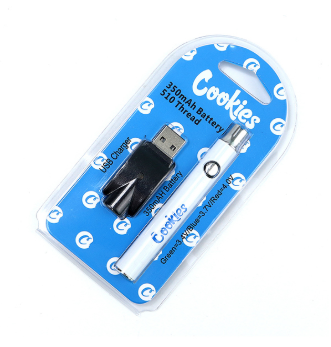
Wax and thicker oils often need more thoughtful startup behavior than thin liquids. A battery with preheat can help some pairings, but it can also create overheating if the setup is wrong. The Cookies 350mAh Vape Preheating Battery is useful for discussing preheat, 510 fit, and retail accessory planning.
Preheat is not a magic fix. If the material is already too runny after warm storage, more heat may make the complaint worse. If the material is stiff and slow to move, the same function may feel helpful. Test the battery with the exact filling instead of approving the battery and concentrate in separate meetings.
How Should Buyers Choose the Right Wax for a Product Line?
The best choice is the one that fits the user, the device, the packaging, and the support burden. A beautiful concentrate that leaks, clogs, or soils the battery contact will not feel like a good product after a week of normal use.
Match Texture to the Intended User
Experienced users may accept more handling steps. Newer adult customers usually need clearer instructions and cleaner packaging. If the wax is sticky, brittle, or sensitive to temperature, the product page and package need plain storage and loading notes.
Retail buyers also need to decide how much cleaning they expect the end user to do. A product that needs careful wiping after every use may suit a niche counter, but it can frustrate a casual buyer who expected a tidy pocket device.
Test With the Actual Device
Do not approve a concentrate from a jar test alone. Test it with the cartridge, battery, mouthpiece, storage direction, and cleaning routine that customers will actually use. Record whether the product clogs, leaks, darkens, or leaves residue near the thread.
The test should include a boring but useful step: leave the filled unit alone, then try it again later. Many problems appear after storage, not in the first pull. Different types of weed wax can look stable during filling and still change after heat, pocket carry, or repeated opening.
Keep Claims Conservative
Avoid unverified claims about purity, potency, extraction method, or medical effect. If a brand cannot support a statement with documentation, remove it from the product copy. Clear handling advice often matters more to repeat purchase than a loud promise.
Good copy can still be specific. Instead of saying a wax is “premium,” explain whether it is easier to portion, whether it needs upright storage, whether the user needs to keep the contact area clean, and whether the cartridge pairing has already been sample-tested. These points are less glamorous, but they answer the questions that appear after the sale.
|
Wax behavior |
Buyer check |
Hardware question |
|
Dry and crumbly |
Portion control and loose particles |
Will pieces contaminate the thread or cap? |
|
Soft and sticky |
Smearing, storage, and tool use |
Does it clog or leak after warmth? |
|
Thick oil-like material |
Viscosity and heating response |
Does the cartridge wick and heat evenly? |
Before approving a wax and hardware pairing, record the concentrate texture, filling temperature, storage orientation, cartridge material, tank capacity, oil-hole size, resistance, heating method, and battery preheat behavior. Current product records include 1.0ml and 2.0ml cartridge capacities, ceramic options around 1.3-1.4ohm, and 316 stainless-steel constructions; confirm the exact values against the production SKU sheet rather than combining specifications from different models. Repeat the check after warm storage and transport simulation.
Conclusion
Different types of weed wax should be chosen by texture, handling, storage behavior, device fit, and support needs. Color and smell can guide inspection, but they cannot replace sample testing and product records. The strongest product plan matches the concentrate to a cartridge and battery before the label, packaging, or retail script is finished.
Contact Buddacana About Wax-Compatible Hardware
Prepare the Concentrate Details
Describe texture, viscosity, filling method, storage conditions, and target customer use.
Confirm Cartridge and Battery Pairing
Test the exact cartridge, battery, preheat behavior, and packaging route before approving copy.
Send the Hardware Questions
Use Buddacana’s contact page to discuss cartridge and battery options for the project.
FAQ
What Are the Main Types of Weed Wax?
Common retail descriptions include crumble, budder, badder, shatter, rosin, and distillate-led products. Each behaves differently in handling, storage, and device matching.
Does Color Prove Weed Wax Quality?
No. Color is only an early clue. Processing, storage, age, documentation, and device testing matter more than color alone.
Can Any Weed Wax Work in a 510 Cartridge?
No. The cartridge must match the material’s viscosity, heating behavior, filling method, and cleaning expectations. Test the actual pairing before bulk orders.
HOT INVESTMENT IN ALL
REGIONS OF THE WORLD
REGIONS OF THE WORLD


